
Last updated November 18, 2026
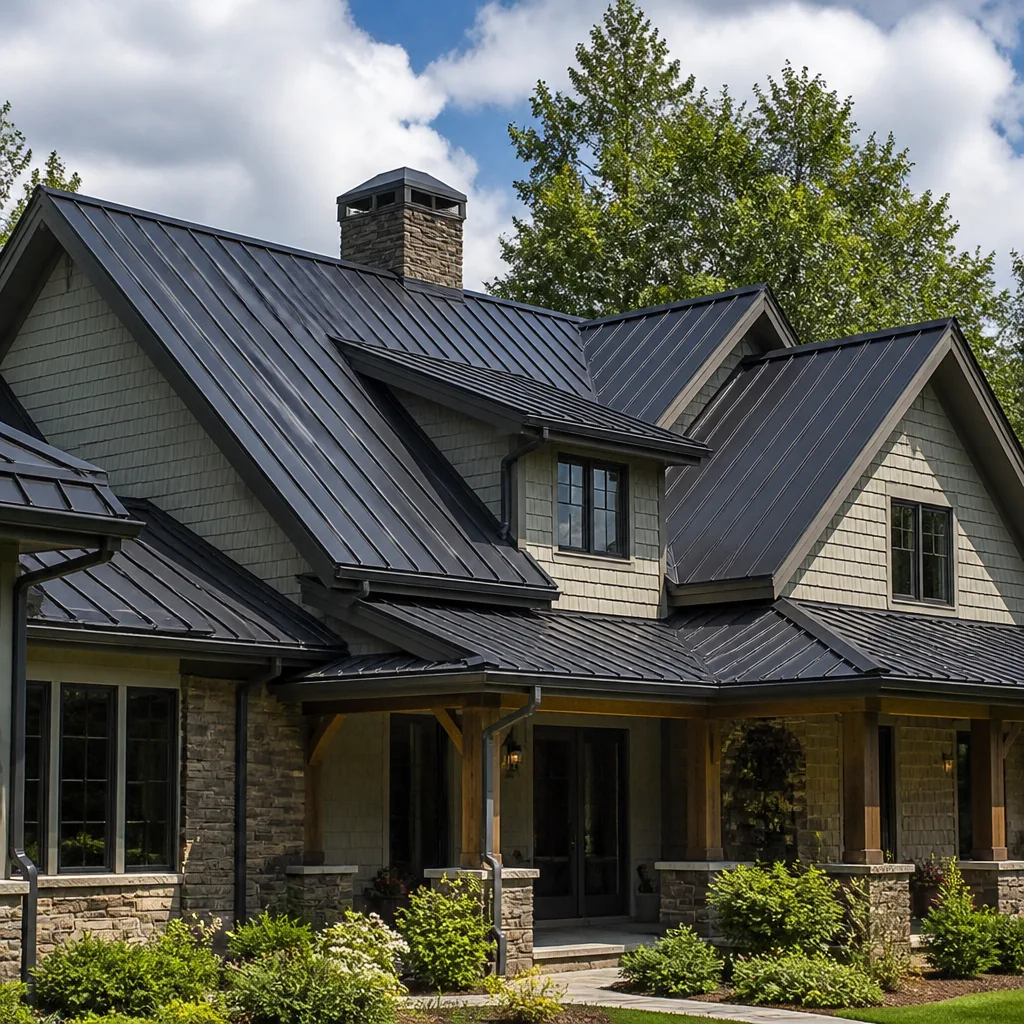 Metal roofing
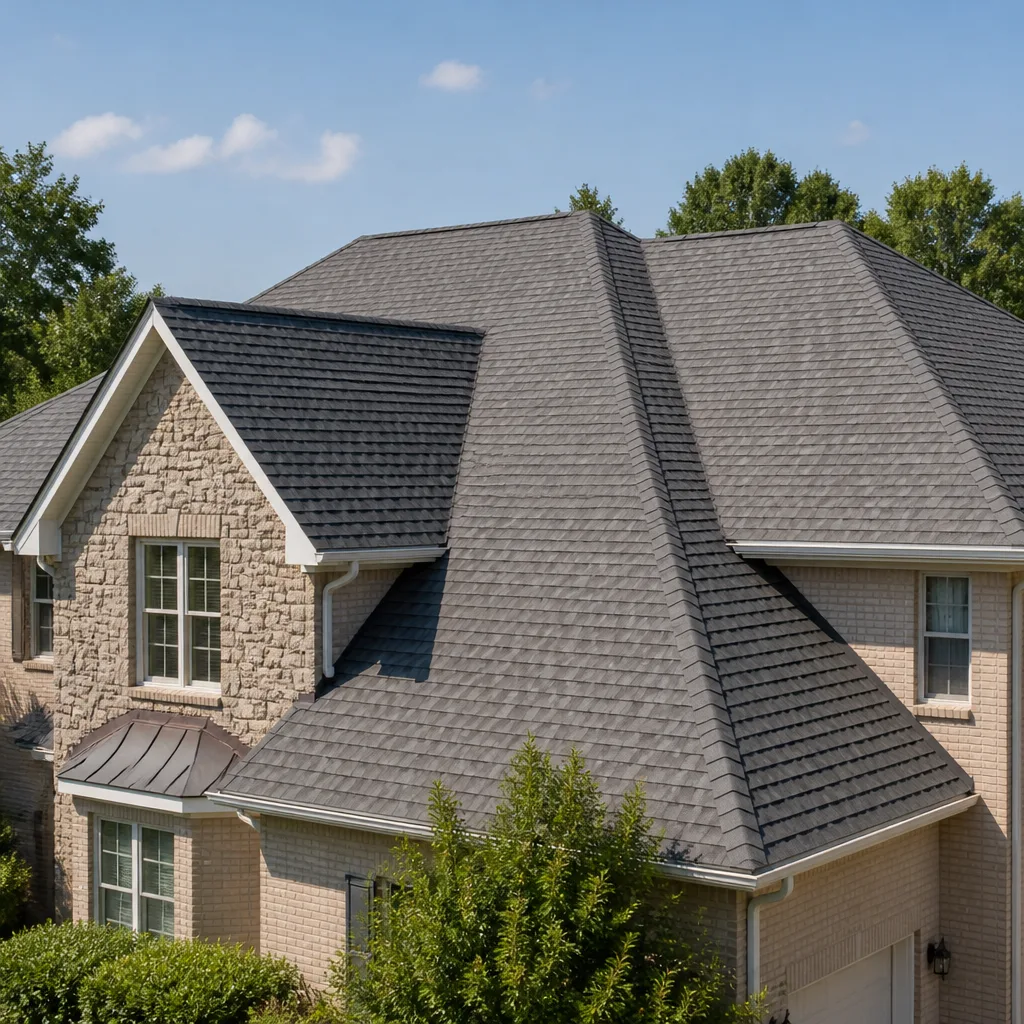 Architectural shingles
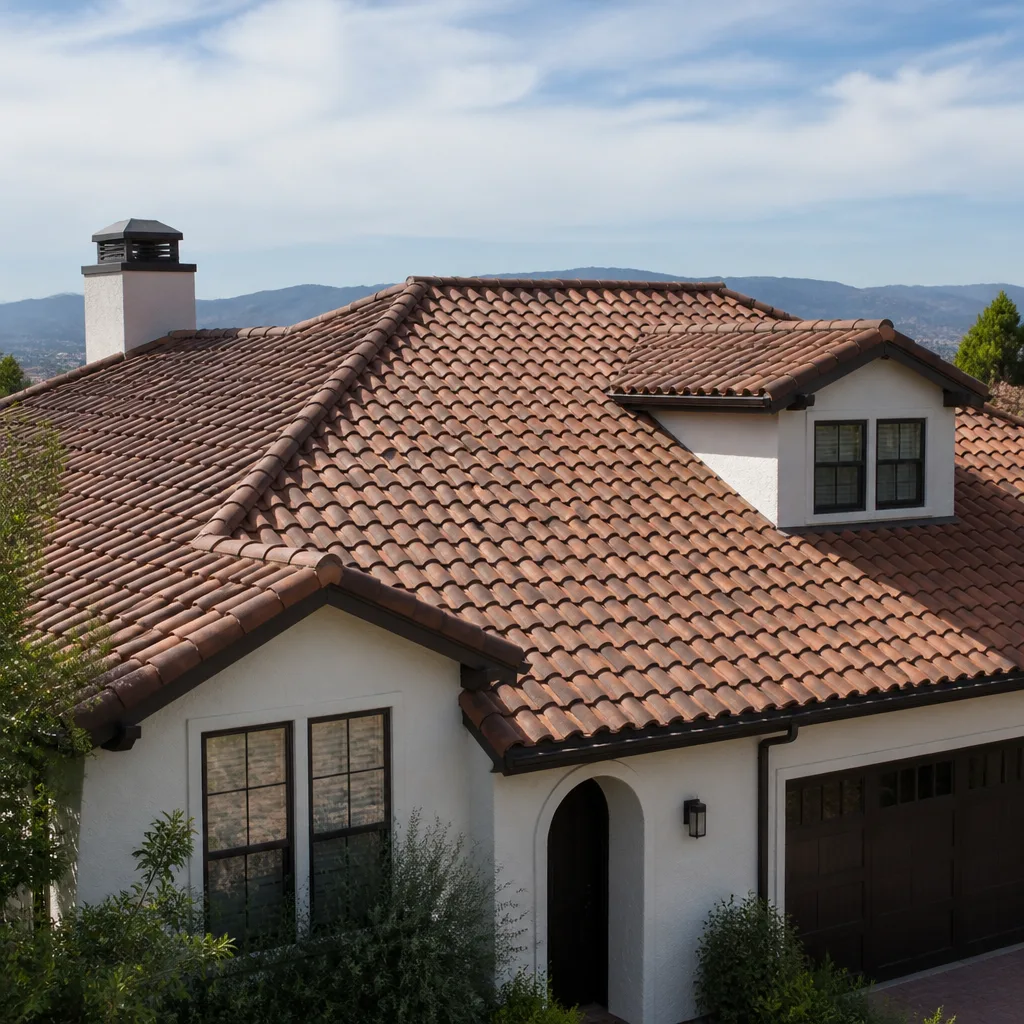 Tile roofing
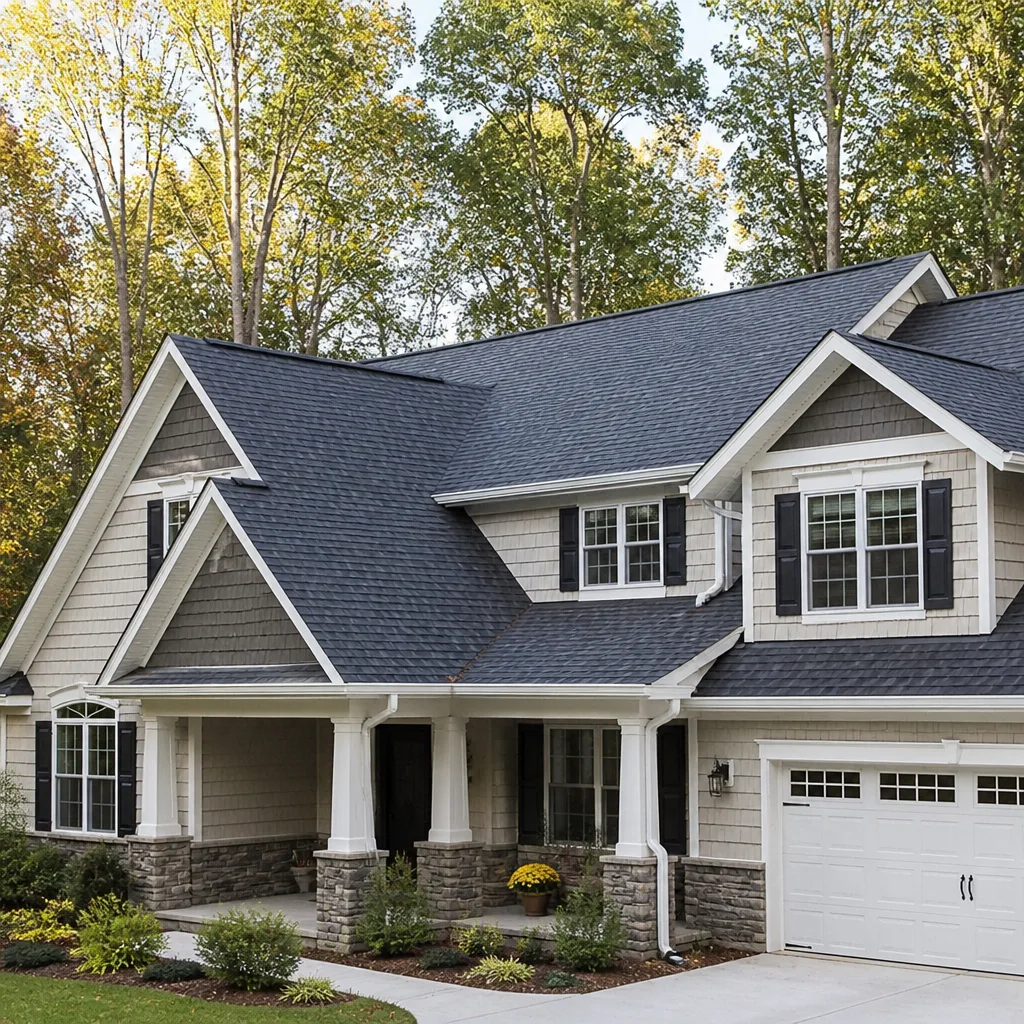 GAF
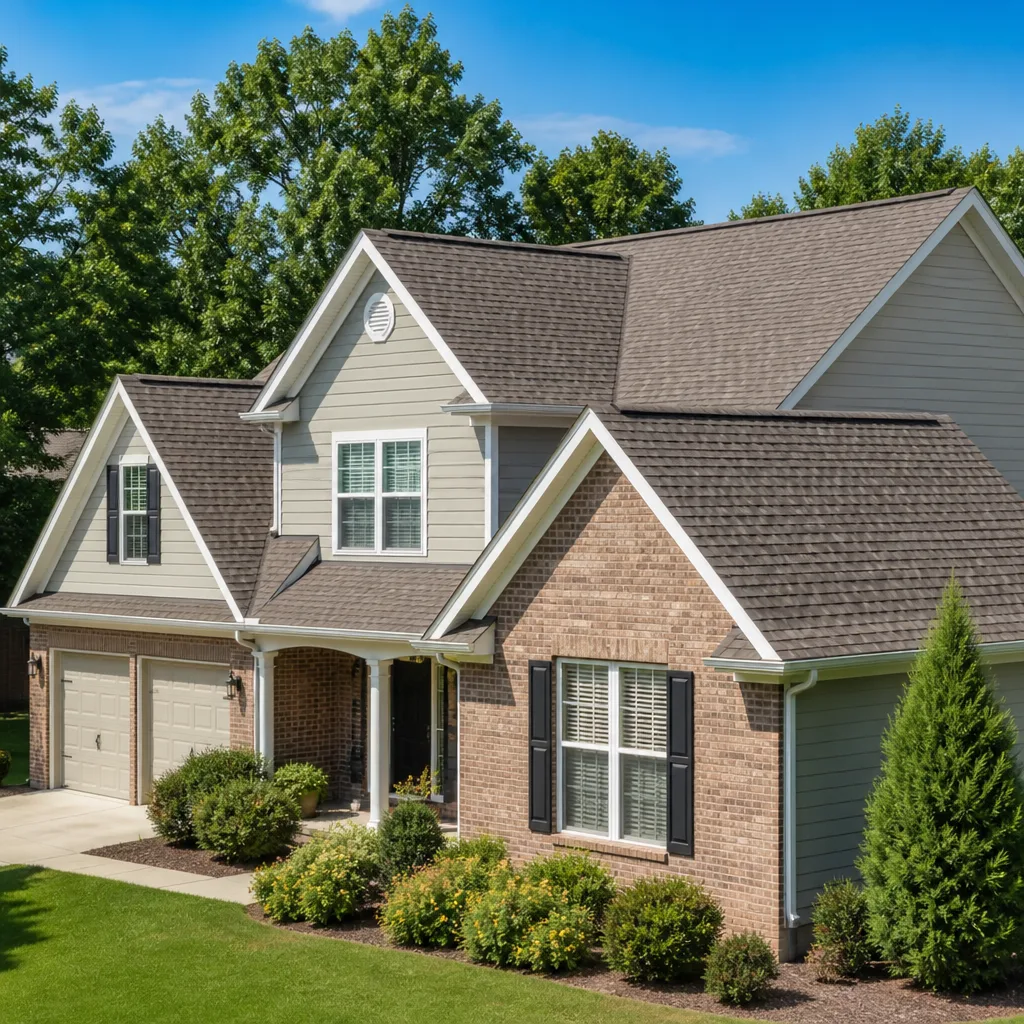 Owens Corning
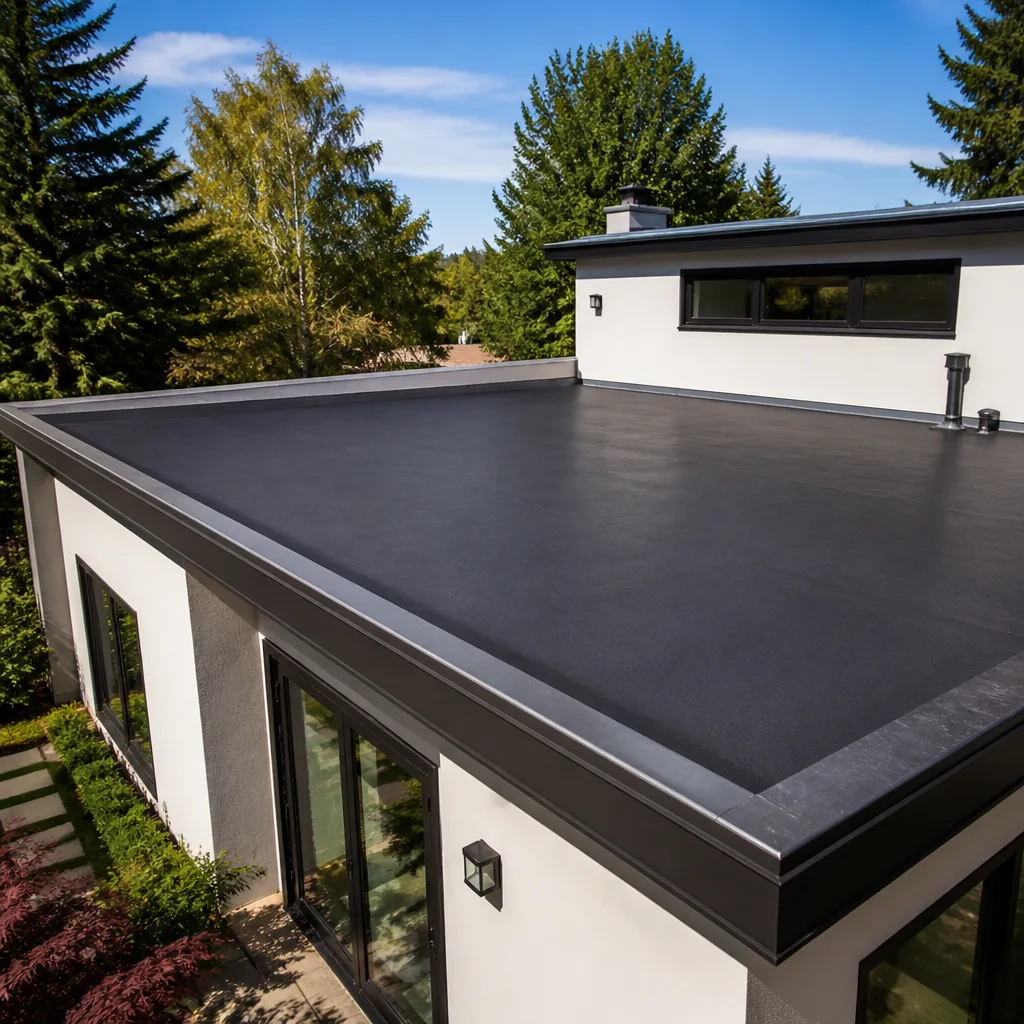 Flat & low-slope
Free roof inspection with deck photos before we talk money - GAF and Owens Corning certified installation
Roofing Cost Breakdown: The Mesquite Homeowner’s Reference for 2026
The national average for a roof replacement means almost nothing to a Mesquite homeowner. Labor markets, distribution distances from the Las Vegas corridor, and whether your contractor buys from a single supplier or has access to multiple brands all move your actual number by thousands of dollars. A figure pulled from a national cost site tells you what a roof costs somewhere else, not what it costs on your street. This guide builds the number from the ground up: what each material actually runs per square here, what the hidden lines in a quote really mean, and how to read a bid so you know where padding hides and where going cheaper costs more later. If you’ve been collecting quotes in Mesquite and none of them quite line up, this is the page to read before you sign anything.
Quick Answer
A full roof replacement in Mesquite typically runs about $9,000 to $22,000 for an average single-family home, with most asphalt shingle jobs landing between $11,000 and $17,000 depending on roof size, pitch, and material tier. A targeted repair usually costs $350 to $1,800, and a standalone inspection runs $150 to $400 or is free when bundled with work. The written estimate you receive after an on-site assessment always sets the final price.
Styles & brands we work with
- Architectural shingles
- Metal roofing
- Tile roofing
- GAF
- Owens Corning
- Flat & low-slope
Table of Contents
- Why National Averages Miss the Mark in Mesquite
- What Each Material Costs Per Square in Mesquite
- The Brand Multiplier: How Multi-Brand Access Changes Your Number
- The Hidden Cost Drivers Most Estimates Omit
- How the Mesquite Climate Shapes Roof Cost
- How to Read a Roofing Quote Line by Line
- Repair or Replace: The Cost Math Homeowners Should Run
- Planning Your Roofing Budget for 2026
Why National Averages Miss the Mark in Mesquite
A cost figure built from a nationwide sample averages together New England labor, Florida storm work, and Midwest material pricing. None of those describe Mesquite. When we build a realistic estimate here, four local factors carry most of the weight.
The first is labor. Southern Nevada’s construction labor market is tied to the Las Vegas metro, and roofing crews price their time against that market’s demand. A roof that takes two days of crew time costs a specific amount to install here, and that labor number sits inside every line of your quote.
The second is material delivery. Nearly all roofing material for Mesquite is trucked in from the Las Vegas distribution corridor, roughly an hour away. Delivery is routine and efficient, but it does carry a cost that a contractor buying from a local yard with three competing suppliers can often beat.
The third is roof geometry. Mesquite’s residential housing stock ranges from simple single-pitch ranch roofs to steeper, more complex profiles with multiple valleys and penetrations. Every additional plane, valley, or penetration adds time, flashing material, and potential for a costly problem if the detail is skipped.
The fourth is brand access. A contractor locked into one supplier quotes one price for one product. A contractor with genuine multi-brand reach can offer a comparable shingle at a different price point and let you decide whether the difference is worth it.
Add those four together and you understand why two quotes for what looks like “the same roof” can differ by several thousand dollars without either being dishonest. They’re pricing different labor assumptions, different products, or different scopes.
What Each Material Costs Per Square in Mesquite
Roofers measure in “squares,” where one square equals 100 square feet of roof surface. A typical single-family home in Mesquite has a roof area between 22 and 35 squares depending on how much of the house the roof covers and how steeply it pitches. Here are realistic installed cost ranges per square for the main material types, including tear-off of the old roof, underlayment, and standard flashing. These are estimates; the written quote on your specific roof is what counts.
3-tab asphalt shingle: $350 to $480 per square. The most economical option, serviceable, and fine on low-slope simple roofs. Fewer color options and a shorter expected service life than architectural shingles.
Architectural asphalt shingle: $420 to $620 per square. The standard choice for Mesquite homes, offering better wind performance, more color choices, and a more dimensional look. This is where most homeowners land once they’ve compared options.
Clay or concrete tile: $800 to $1,400 per square. Higher upfront cost but excellent heat performance and a long service life. Tile requires structural evaluation because of the weight, which can add cost to the scope.
Standing seam metal: $950 to $1,600 per square. Premium upfront, strong heat reflection when finished with a reflective coating, and long service life. Installation requires specialized panel work.
Boral composite or stone-coated products: $700 to $1,200 per square. A middle ground in appearance and durability, offering a tile or slate look at lower weight and often at lower cost than genuine tile.
What moves your number beyond the material: roof pitch above a certain steepness, multiple layers of old shingles that need stripping, complex roof profiles with many valleys and penetrations, and any structural repair discovered during tear-off. A simple, single-pitch roof at the low end of the range and a complex, multi-plane roof at the high end can be the same material and still sit $3,000 apart.
The Brand Multiplier: How Multi-Brand Access Changes Your Number
Here’s a cost principle most quotes won’t explain: a contractor who can source across several manufacturers has more ways to hit your target number than a contractor tied to one supplier’s line card. That isn’t marketing. It’s leverage. When one brand’s architectural shingle is running higher than another comparable product, a multi-brand contractor can present both and let you weigh the difference against warranty terms, color, and performance ratings.
We work with seven brands – GAF, CertainTeed, Owens Corning, IKO, Atlas, Tamko, and Boral – which spans entry-level asphalt through premium composite and stone-coated profiles. That matters for a few reasons.
- Comparable performance across tiers means you aren’t forced into a premium line just to get a certain color or profile.
- Warranty-backed systems through established manufacturer programs give you documented protection beyond the installation day, and the terms vary by brand. Comparing them side by side before you decide is a real benefit.
- Familiarity with multiple shingle systems means we can diagnose a problem on a roof installed by any contractor, using any of those brands – a straight repair rather than a replacement upsell.
- A range of products at different price points lets you set a target budget and match the right product to it, rather than choosing between “the expensive one” and “the one that happens to be in stock.”
If a contractor quotes a single IKO or Owens Corning product and tells you it’s the only sensible option, that’s not wrong – it’s just a narrower answer. A multi-brand quote gives you something more: the option to compare and decide. Choose from seven trusted roofing brands to match your budget and your roof.
The Hidden Cost Drivers Most Estimates Omit
The biggest gap between a low quote and a realistic one usually hides in the lines a low bid doesn’t include. Here are the cost drivers you should see itemized before you sign anything.
- Decking replacement. If the deck beneath the shingles has soft spots, water damage, or deteriorated sheathing, it has to come out. Decking runs roughly $60 to $140 per sheet installed. A roof that looks fine from below can have several sheets that fail once the old shingles lift.
- Permit fees. Roofing a home in most Nevada municipalities requires a permit and an inspection. The fee varies by jurisdiction and scope. A bid that doesn’t mention permits may leave you holding responsibility for pulling one, or worse, leave the job uninspected.
- Disposal and dumpster. Tearing off old shingles means hauling debris to a landfill. That disposal cost typically runs $400 to $900 depending on volume and distance. A low bid that omits it will reappear as a change order.
- Flashing upgrades. Chimney flashing, skylight flashing, and valley metal are where most leaks start. Standard flashing replacement adds roughly $150 to $600 per location. Skipping flashing replacement to save money is one of the most common ways a cheap roof becomes an expensive one.
- Underlayment and ice-and-water protection. The layer beneath your shingles matters in a Mesquite summer. Synthetic underlayment replacement adds $100 to $250 per square. Cheap bids sometimes reuse old underlayment where it can’t be seen.
- Ventilation. If your attic ventilation is undersized, a new roof without improving it will bake the shingles from underneath, shortening their life. Ridge and intake vent upgrades run $300 to $1,200 depending on the roof.
When you see those six lines spelled out in a written quote, you know the contractor has priced the actual job. When they’re missing, they aren’t savings. They’re deferred costs waiting to appear.
How the Mesquite Climate Shapes Roof Cost
Mesquite’s high desert climate is hard on roofing in specific ways, and those ways carry a cost. Summer temperatures swing hard, and the daily cycle of expansion and contraction puts stress on every seal, fastener, and flashing joint. Wind in exposed areas pries at shingle tabs, particularly on north and west-facing planes.
What that means for cost:
- Roofs age faster here than in mild climates, which means the same shingle might need replacing a few years sooner than the manufacturer’s optimistic projection. That affects your long-term cost per year of service, not the upfront price.
- Reflective or heat-rated underlayment and shingle products cost more upfront but can lower attic temperatures and extend the roof’s usable life. The premium is often $300 to $800 per roof.
- Ventilation matters more here. An under-ventilated attic bakes shingles from below, and correcting it during installation costs far less than correcting it after the fact.
- Flashing and sealant details need to be done right the first time. UV exposure degrades cheap sealants quickly, and a failed detail in a Mesquite summer becomes a leak in the next rain.
None of these are emergencies. They’re cost factors, and a quote that reflects them will run higher than one that ignores them. That’s not a reason to avoid the higher quote.
How to Read a Roofing Quote Line by Line
The best defense against padding and against hidden gaps is a quote with line items, not a single lump total. Here’s how to read one.
The scope line. It should state the approximate number of squares, the pitch category, and the number of roof penetrations. If the scope is vague (“replace roof”), ask for a written scope.
The tear-off line. It should state how many layers are being removed and where the debris goes. This is where estimates hide disposal cost or skip it entirely.
The decking line. A good quote will tell you the decking replacement price per sheet, even if it assumes zero sheets will need replacing. The price should be disclosed before the job, not negotiated at the dumpster.
The underlayment and flashing lines. These run higher on a quality bid. A quote that skips or underprices them is where a leak comes from later.
The material and warranty line. The product name, model, and warranty tier should be written. “Architectural shingle” alone tells you nothing about what’s on your roof.
The permit line. Whether the permit is included and who pulls it should be explicit.
The change order clause. A written quote should describe how cost changes are handled if undiscovered damage appears. Fixed pricing with no change orders is the cleanest arrangement; if the quote allows change orders, the process for approval should be written.
Where padding hides: vague scope, marked-up disposal, inflated “labor” lump lines, and “warranty registration” fees. Where going cheaper creates risk: skipping underlayment, reusing flashing, undersized ventilation, and no permit. The right quote is neither the highest nor the lowest. It’s the one with the most honest line items.
We’ll tell you if a repair is all you need, and we mean it. A quote should tell you the same thing in writing.
Repair or Replace: The Cost Math Homeowners Should Run
A repair makes sense when the roof has isolated damage: a few missing shingles, a failed flashing point, a single leak. Repair costs typically run $350 to $1,800. Replacement makes sense when the roof is aging out, when multiple failures appear across different areas, or when the cost of repairs over a few years approaches the cost of replacement.
A useful rule of thumb: if the repair is more than about 20 to 25 percent of the replacement cost, or if you’re facing two or more repairs within a few years, replacement usually wins on total cost. That’s a general guide, not a rule. But it’s a fair place to start the conversation.
An honest assessment is what resolves the question in your specific case. A standalone roof repair is often the right answer, and a trustworthy roofer will say so when it is. A full roof replacement is the right answer when it is. The cost math should point clearly one way or the other once someone has actually been on the roof and looked.
What you shouldn’t accept: a contractor who diagnoses replacement from the driveway, or one who swears a 25-year-old roof just needs “one more patch.” Either answer without an inspection is a guess, not an assessment.
Planning Your Roofing Budget for 2026
Roofing material prices follow commodity markets and freight costs, and both have been volatile in recent years. If you’re budgeting for a 2026 project, a few practical points help.
- Get an estimate before the roof starts leaking. A repair scheduled on your timeline almost always costs less than a replacement forced by water damage inside the home.
- Ask whether the quote is fixed. Fixed pricing with no change orders protects you from market moves between quote and installation. A quote that’s subject to “current material pricing” isn’t really a quote.
- Budget for the roof’s full service life, not just the install. A shingle that costs $150 more per square upfront but lasts several years longer changes the cost per year dramatically.
- Plan for ventilation and decking. These are the two line items most often deferred and the two that raise the cost of the job you eventually have to do anyway.
- Get a standalone inspection if you’re not sure. A Roofer Mesquite inspection tells you what you have, how long it has left, and what replacing it will cost when that time comes. It’s a planning tool, not a sales pitch.
We handle inspection, repair, and full replacement so you don’t have to coordinate multiple contractors when the work spans more than one phase. One company, one call. If you’re planning for 2026, call for a free written estimate in Mesquite.
Common Mistakes to Avoid
- Choosing on price alone. The lowest bid is usually low because something is missing from the scope, not because the contractor is generous. The best comparison is between fully itemized quotes with the same scope.
- Reusing flashing to save money. Flashing is where most leaks start, and reusing old flashing in a high-UV climate invites the failure you were trying to avoid. The cost of replacing it once is far less than the cost of a leak.
- Skipping the permit. Unpermitted roofing can complicate insurance, resale, and inspection. Ask explicitly whether the permit is included, in writing.
- Letting the decking cost surprise you. Ask for the per-sheet price before you sign. A contractor who can’t state it up front is either guessing or planning to negotiate at the wrong moment.
- Skipping ventilation. A roof installed over an under-ventilated attic ages faster than it should, and the savings from skipping the upgrade get eaten by a shorter service life. On a Mesquite roof, ventilation is part of the cost, not an add-on.
- Hiring from a single-brand quote without comparing. If you’re quoted one shingle line and nothing else, ask whether a comparable product from another manufacturer would meet the same performance spec at a different price. A genuine multi-brand contractor can answer that question.
- Not getting a written, itemized estimate before work begins. A verbal ballpark on a driveway is not a quote. The written estimate should describe scope, materials, decking contingencies, permits, and disposal before anyone climbs on the roof.
See the difference
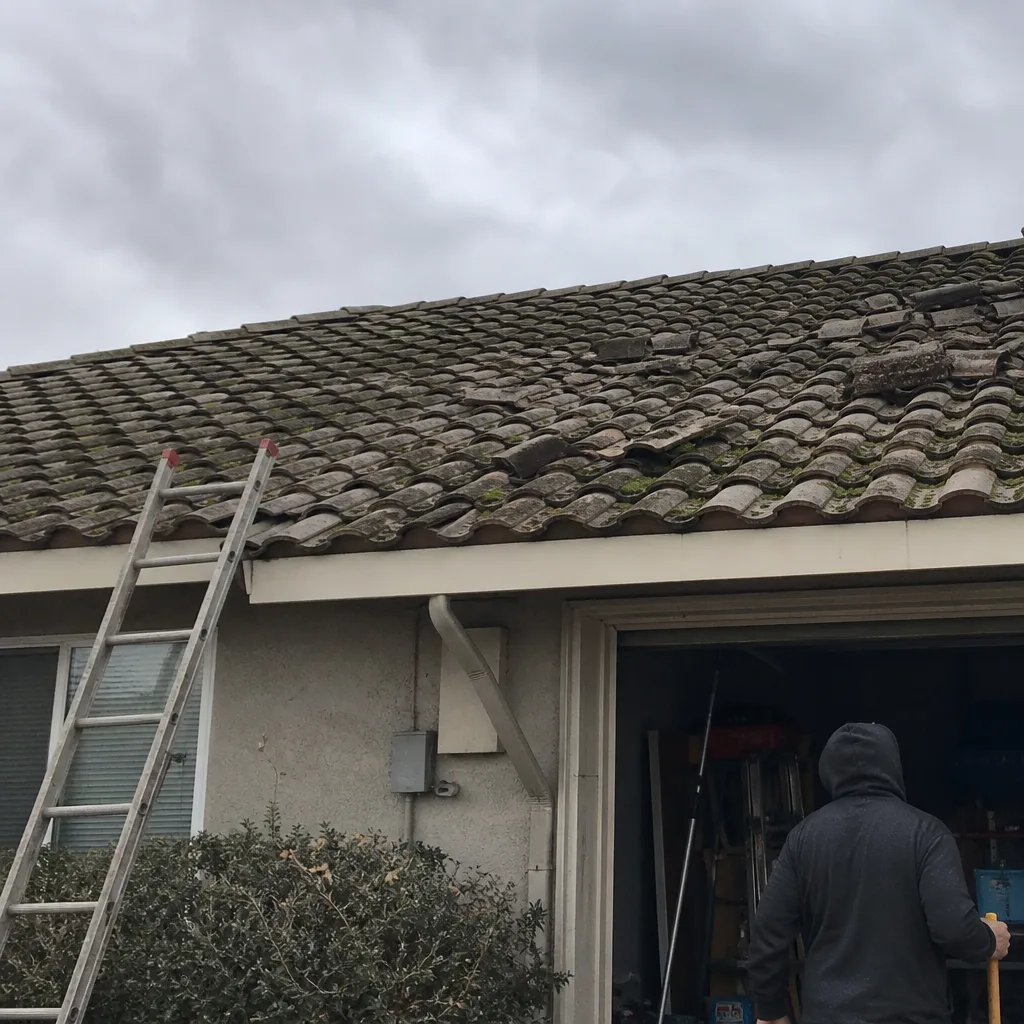 Before
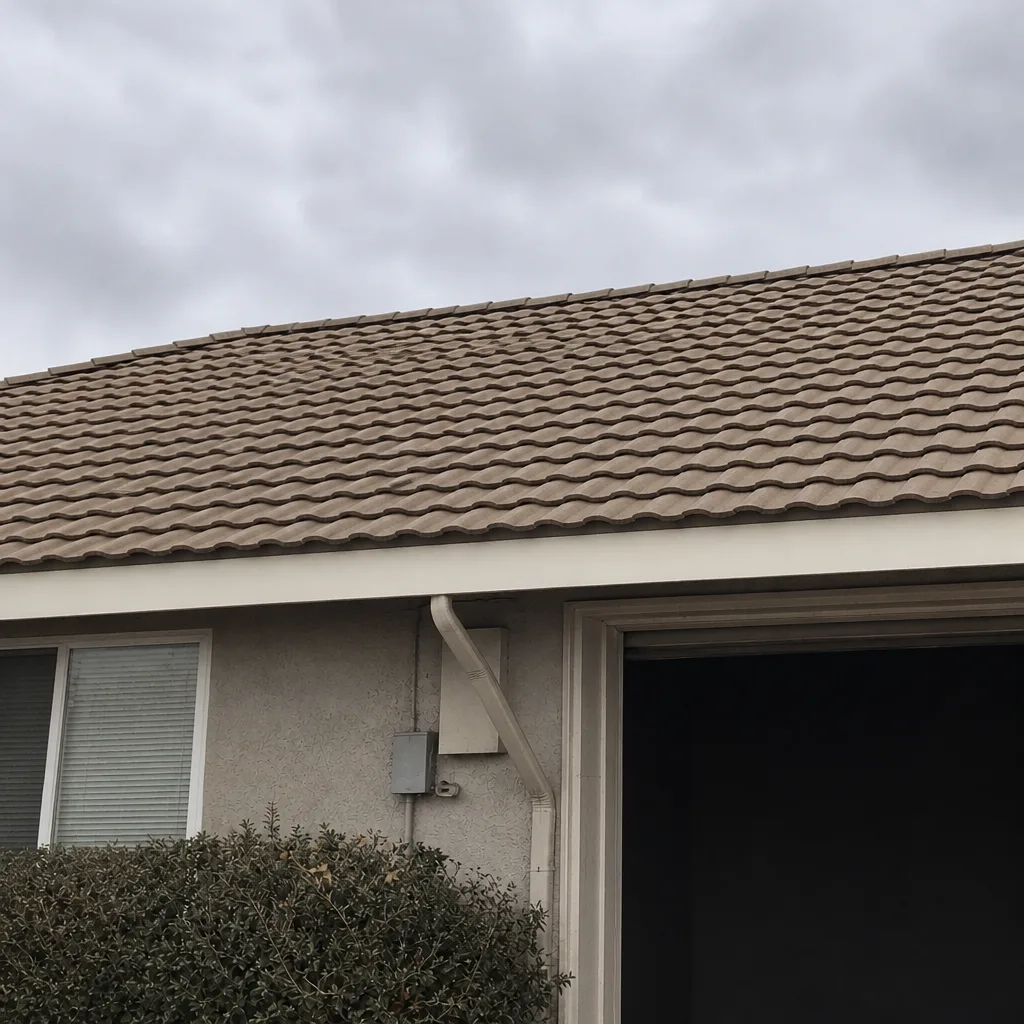 After
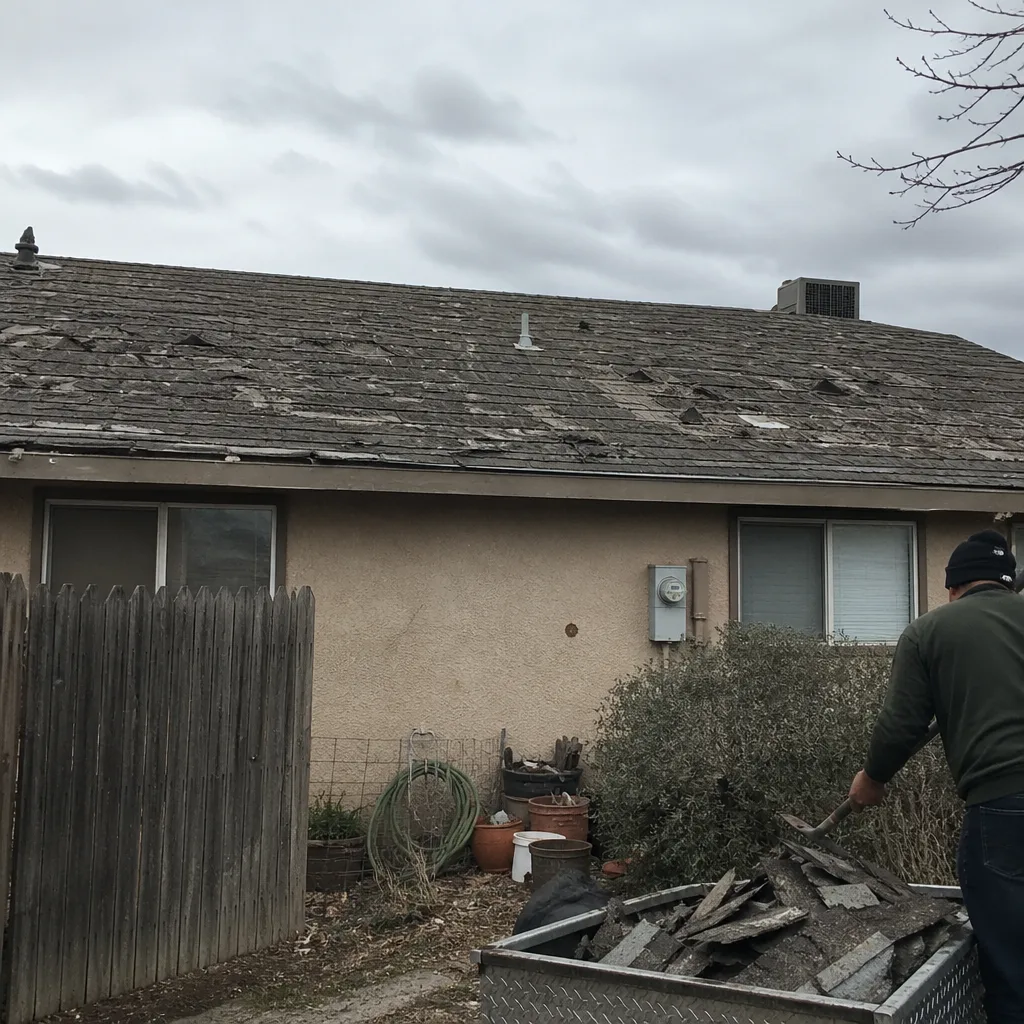 Before
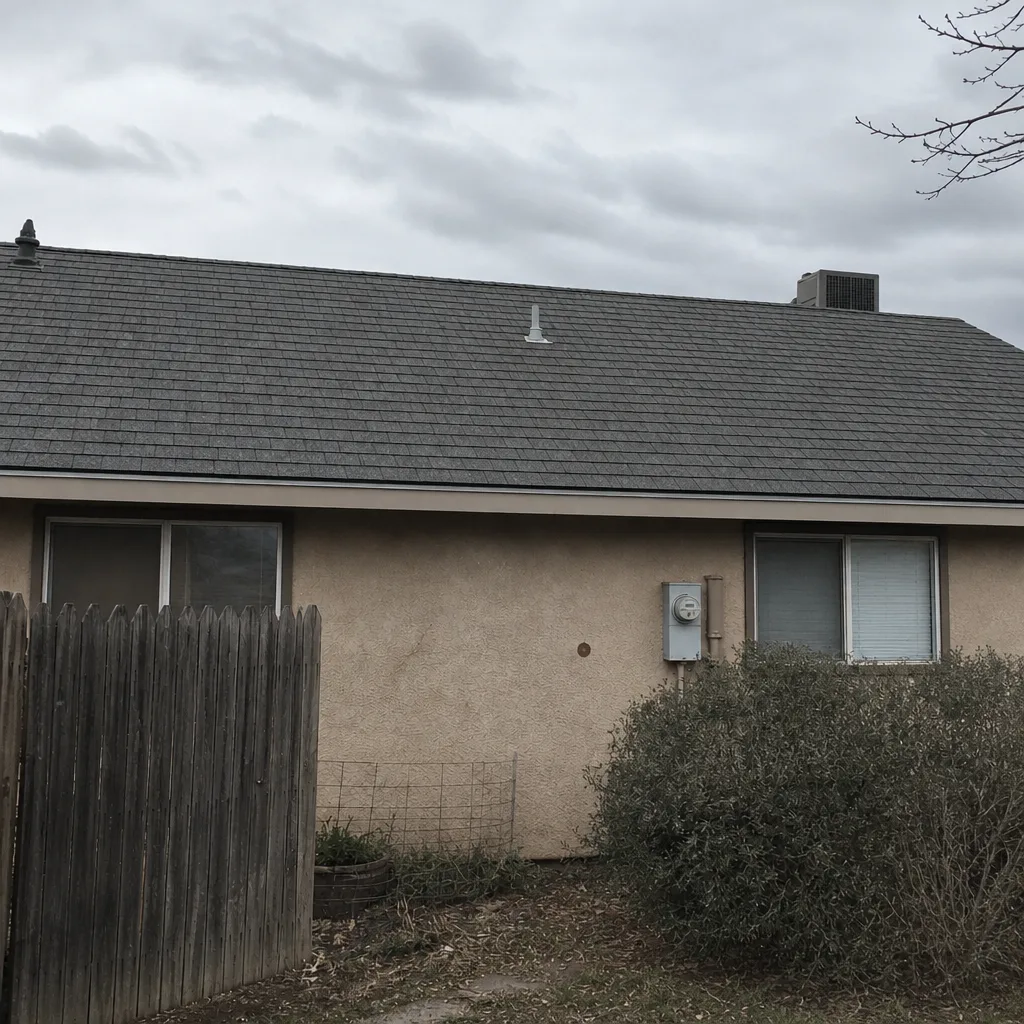 After
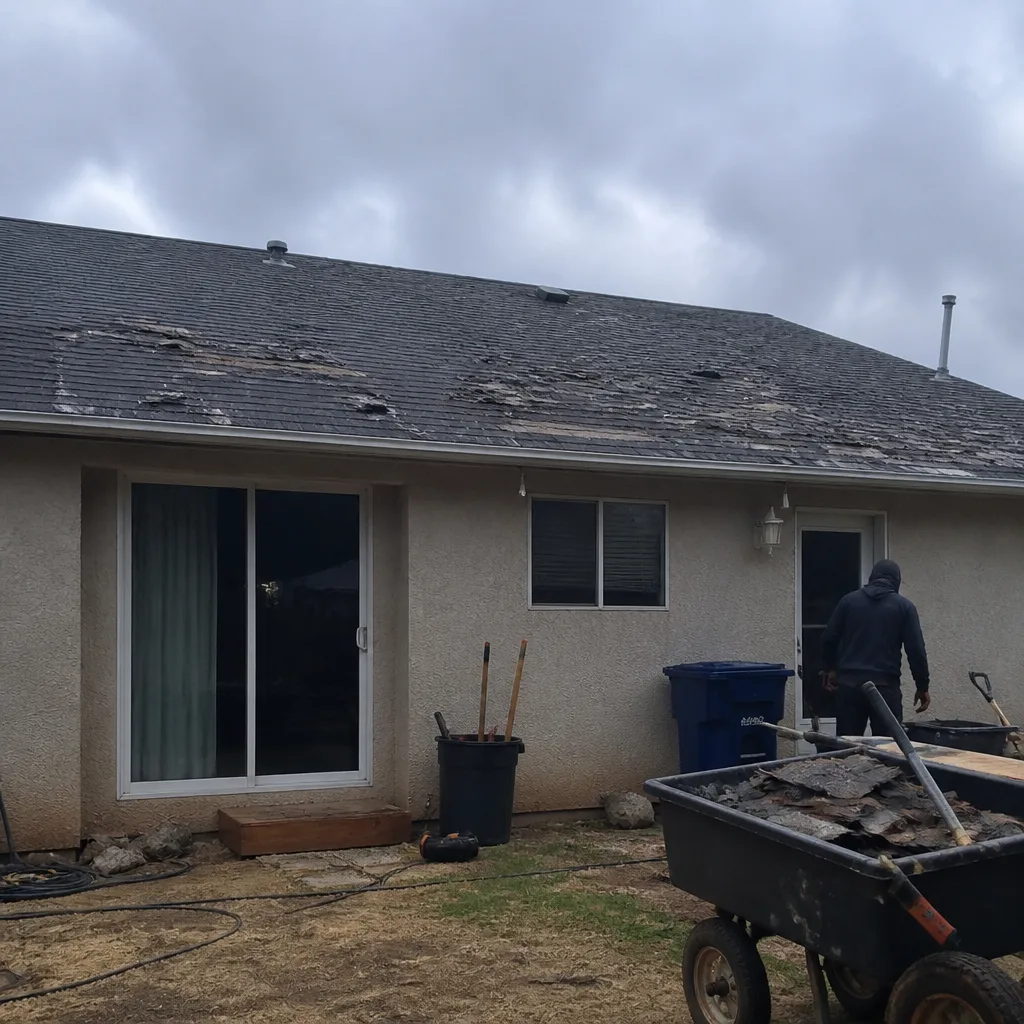 Before
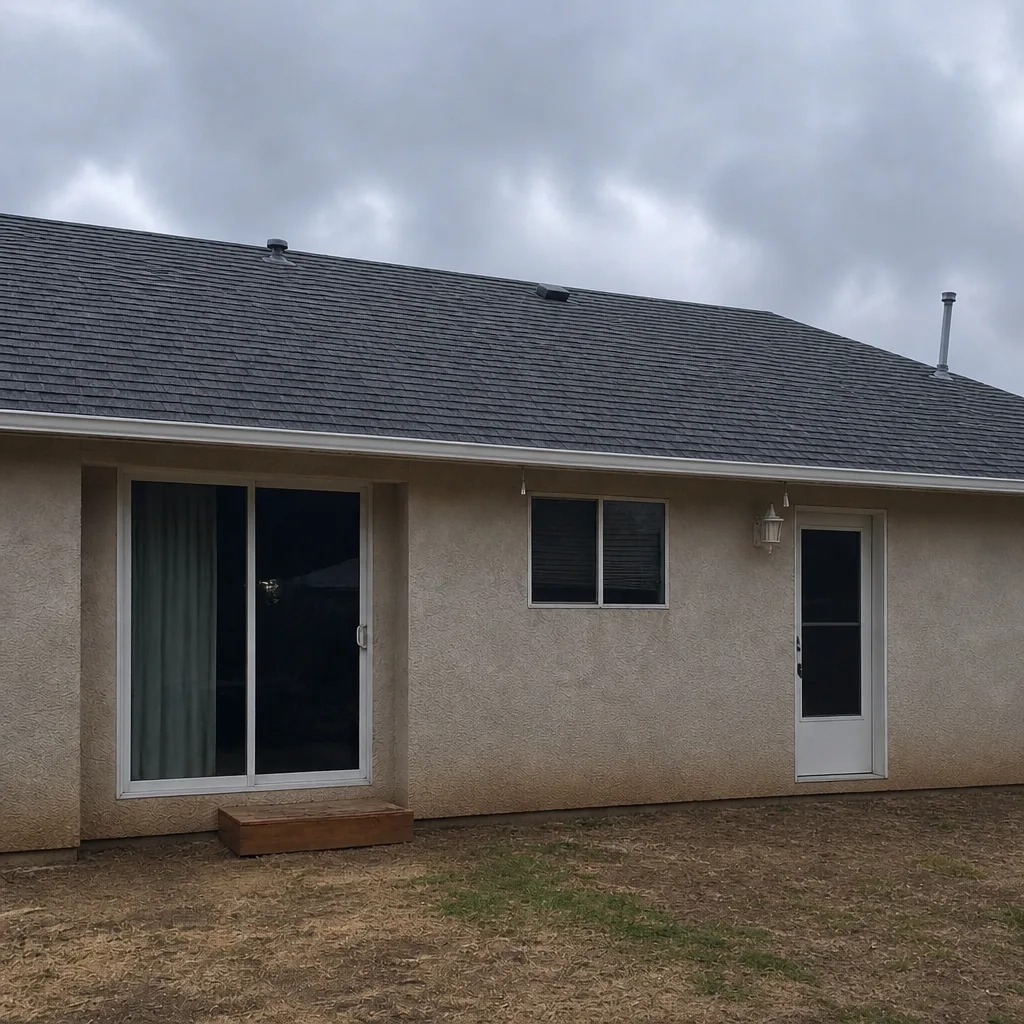 After
When to Call a Professional
Call when you see shingles missing or curling after a wind event, when you notice staining on a ceiling or water in the attic after rain, when the roof is old enough that you’re no longer sure of its condition, or when a seller’s inspection raises a question you can’t answer. Call before a small leak spreads into decking or drywall, because those interior repairs add to the total fast. You should also call when you simply don’t know whether you need a repair or a replacement; that’s exactly what an inspection is for. Roofer Mesquite offers free estimates in Mesquite with a written line-item quote and fixed pricing. Our technicians have up to 8 years of experience, we’re insured and bonded, and we’ll tell you if a repair is all you need. Call (855) 916-4744. We answer 24/7. Fast dispatch from 7am to 7pm, Sunday through Friday, and we’re closed Saturday.
Frequently Asked Questions
Most full roof replacements in Mesquite run roughly $9,000 to $22,000, with the majority of asphalt shingle jobs landing between $11,000 and $17,000. The number depends on roof size, pitch, number of penetrations, material tier, and any decking repair discovered during tear-off. Call (855) 916-4744 for an exact quote, and estimates are free.
By the numbers, a repair is cheaper when the damage is isolated and the roof has years of life left. Replacement is cheaper over time when repairs start recurring or the roof is nearing the end of its service life. As a general guide, if the repair is more than about 20 to 25 percent of replacement cost, replacement usually wins the cost math. Ask for a standalone inspection before deciding; that’s the honest way to settle the question. Call (855) 916-4744 to schedule one.
Yes. A permit is included in the scope on a quality quote whenever the job requires one. Permits and inspections protect you at resale and with your insurer, and a bid that omits them should be questioned. Call (855) 916-4744 to talk through the permit requirements for your Mesquite address.
Your written estimate sets the final price for the scope described, and we use fixed pricing with no change orders. The one area that can change is decking discovered as needing replacement after tear-off, and a good quote discloses that per-sheet price before you sign. That way there are no surprises. Call (855) 916-4744 for an itemized quote.
A typical asphalt shingle replacement takes one to three days of installation once the material arrives, depending on roof size, pitch, and weather. Tile and metal take longer because of specialized installation. The estimate you receive should state the expected timeline for your specific roof. Call (855) 916-4744 for a scoped timeline with your free estimate.
A repair quote prices specific, isolated work: a flashing detail, a patch, a few shingles. A replacement quote prices the whole roof, including tear-off, decking, underlayment, flashing, ventilation, permit, and disposal. Comparing the two is not comparing like with like, so ask the contractor to explain what each one actually covers. We’ll tell you which one your roof needs, and we mean it. Call (855) 916-4744.
The Bottom Line
A realistic roofing number in Mesquite is built from local labor rates, delivery from the Las Vegas corridor, roof geometry, and the material tier you choose. Architectural asphalt shingles at roughly $420 to $620 per square are the standard for a reason, but multi-brand access lets you compare across price points and warranty terms until the fit is right. The hidden costs – decking, permits, disposal, flashing, ventilation – are where low quotes become expensive jobs, so insist on an itemized, written estimate. And when in doubt about repair versus replacement, get an inspection first. It’s the cheapest way to know what your roof actually needs.
If you’re ready to price the real number, call Roofer Mesquite at (855) 916-4744 for a free written estimate in Mesquite. We answer 24/7. Fast dispatch from 7am to 7pm, Sunday through Friday, and we’re closed Saturday. Choose your material, see the line items, and decide with the full picture in front of you.
Written by the team at Roofer Mesquite.