
Last updated November 18, 2026
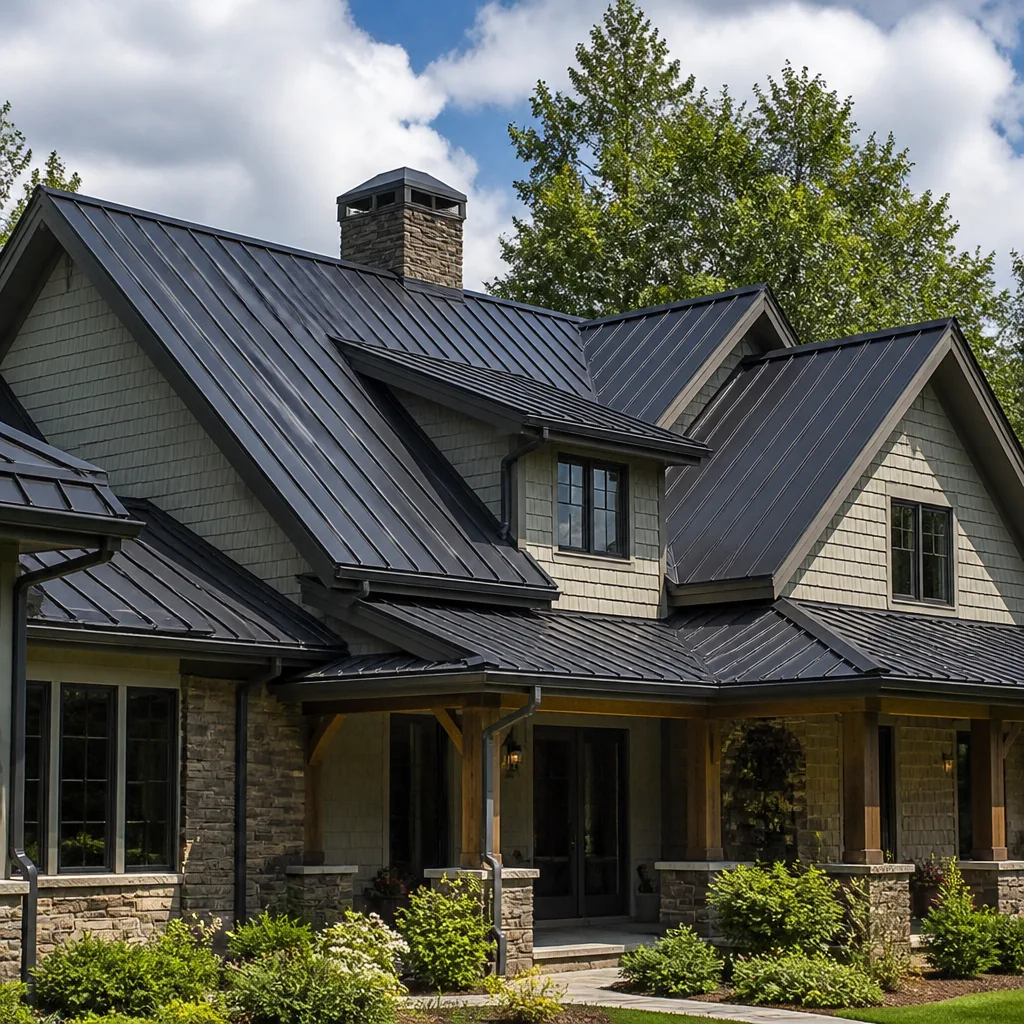 Metal roofing
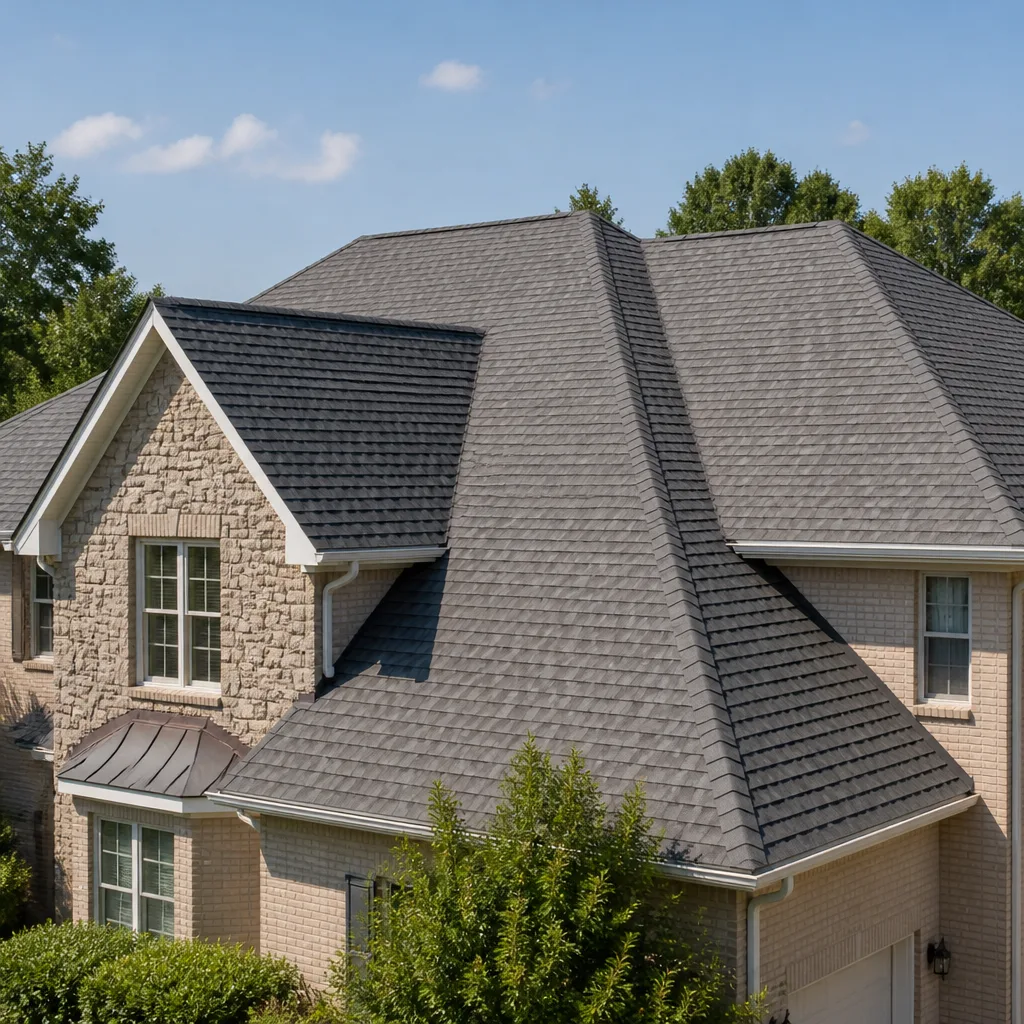 Architectural shingles
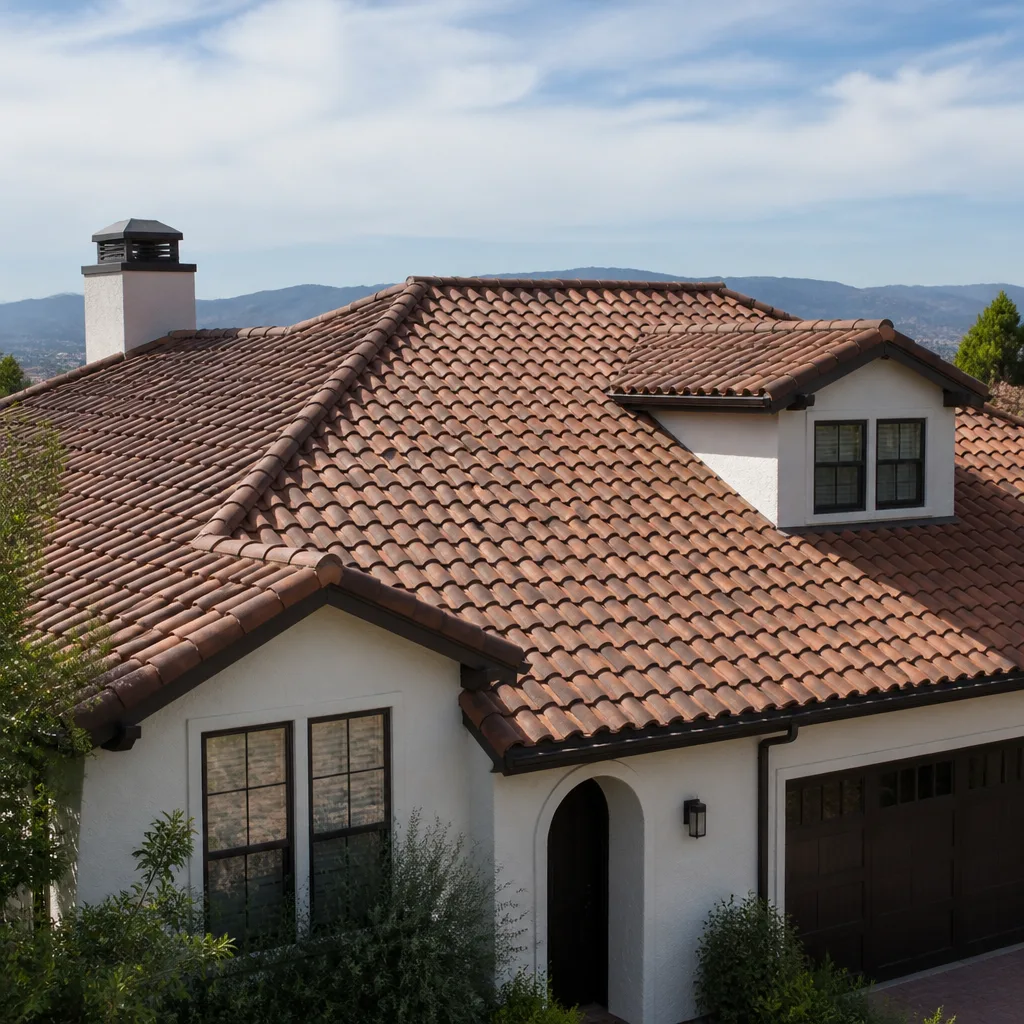 Tile roofing
 GAF
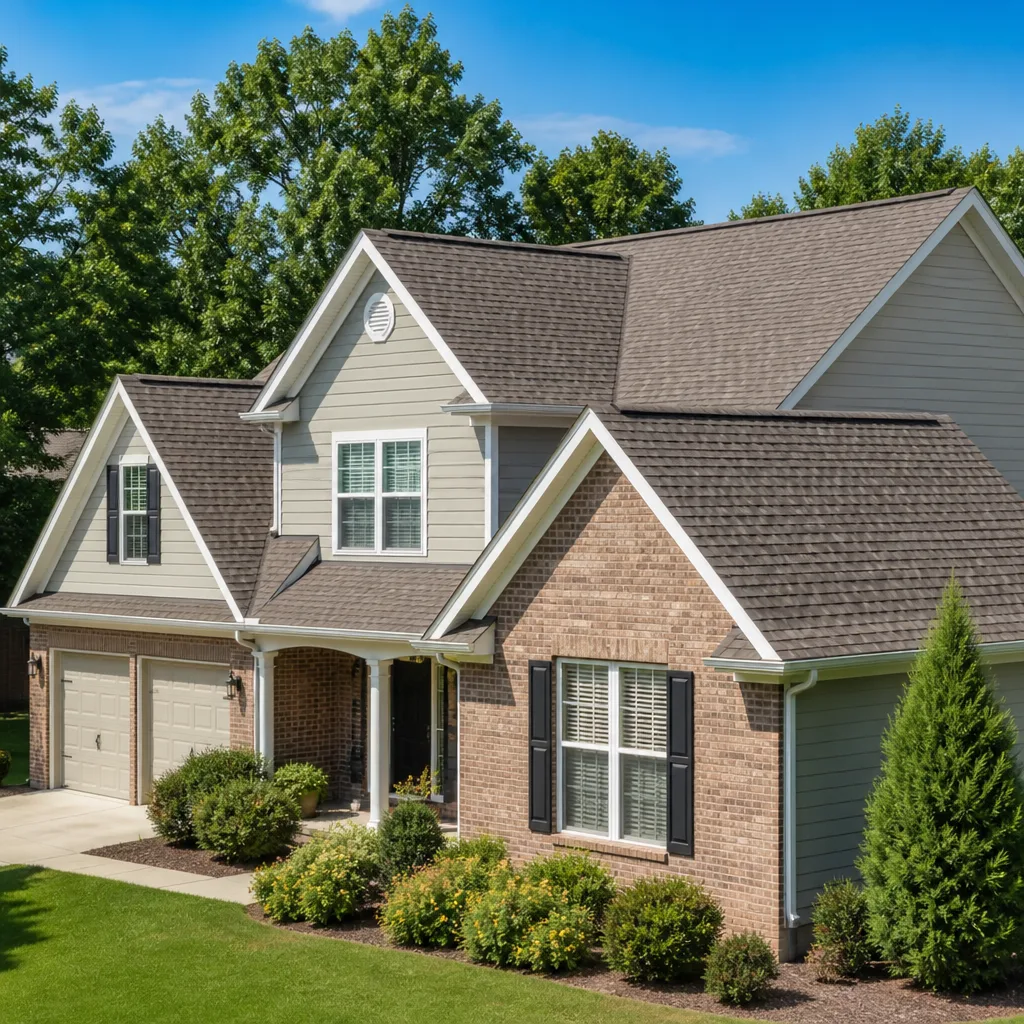 Owens Corning
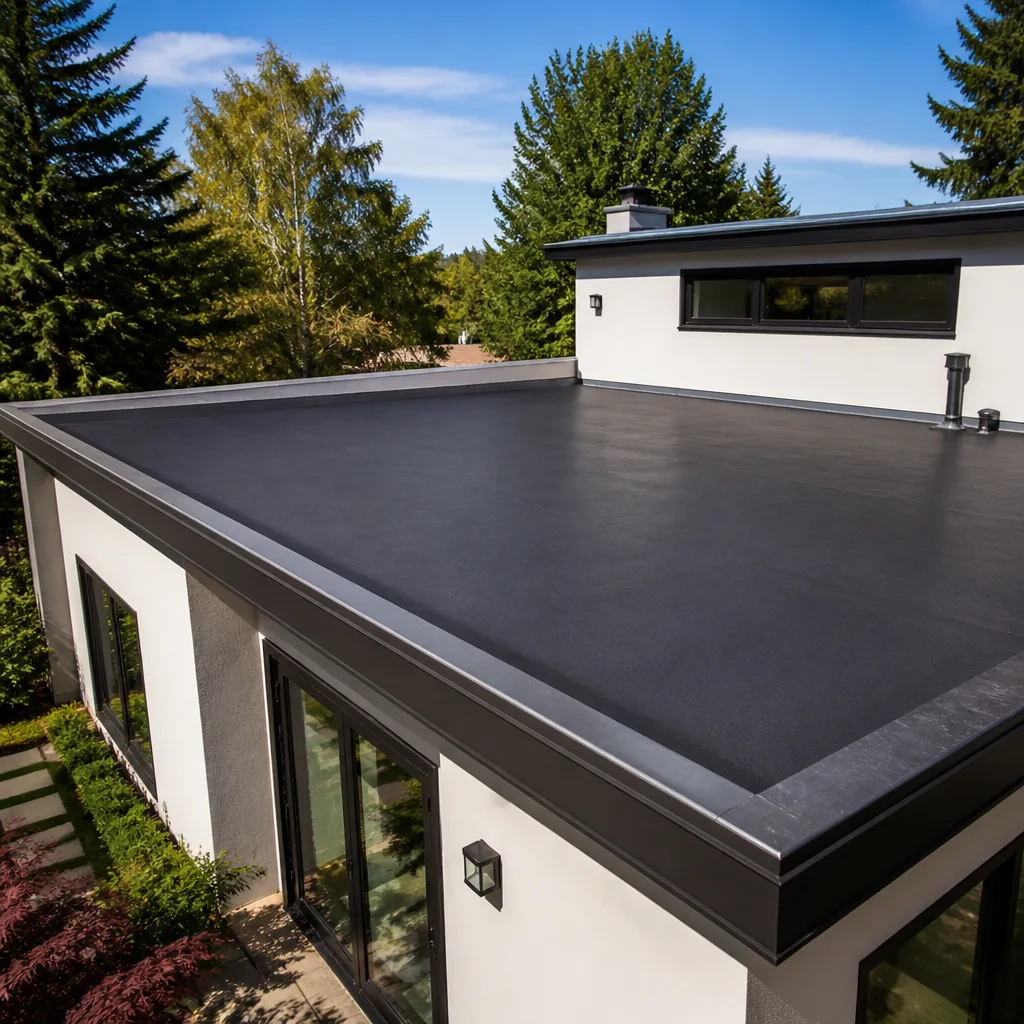 Flat & low-slope
Free roof inspection with deck photos before we talk money - GAF and Owens Corning certified installation
Roofing Permits, Codes & Inspections in Mesquite, NV: What You Need to Know
Most homeowners treat a roofing permit as paperwork to get past – a line item on a contractor’s bid, a nuisance that slows the start date. We’d argue the opposite is true. The permit is often the only independent, third-party checkpoint standing between you and a roof built with thinner underlayment, fewer fasteners, or a material substitution nobody told you about. That substitution won’t show up for a few years. By then, the contractor is gone and you own the problem. In a hot, windy desert town like Mesquite, where the sun does its damage fast, that checkpoint matters more than most people realize. This guide walks you through when permits are required, what the inspection actually verifies, how the energy code shapes your material choices, and how to confirm a permit was pulled before anyone takes a shingle off your roof.
Quick Answer
The City of Mesquite issues roofing permits for most reroof and replacement work within city limits, and the work is subject to inspection by the authority having jurisdiction over your address – not automatically Clark County. A roofing permit is generally required when you replace sheathing, install a full new roof covering, or make structural changes, and the inspection that follows is your best protection against material substitution. Always confirm in writing that the permit exists before work starts.
Styles & brands we work with
- Architectural shingles
- Metal roofing
- Tile roofing
- GAF
- Owens Corning
- Flat & low-slope
Table of Contents
- When Is a Roofing Permit Required in Mesquite?
- What a Nevada Roofing Inspection Actually Checks
- Nevada Energy Code and Cool-Roof Requirements
- How to Verify Your Contractor Pulled the Permit
- How Unpermitted Work Affects Insurance and Resale
- Nevada Building Codes and Roofing Materials
- Using the Inspection Report as a Quality-Control Document
- Common Mistakes to Avoid
- When to Call a Professional
- Frequently Asked Questions
When Is a Roofing Permit Required in Mesquite?
The short answer: for most full replacements and any structural work, yes. For small repairs, maybe not. But the detail that trips up a lot of homeowners is jurisdiction. Mesquite has its own building department and issues its own permits. The City of Mesquite is the authority having jurisdiction for roofing work within its municipal limits. Clark County’s building rules largely govern the unincorporated areas, and those rules are not always identical to what the city adopts. If your home sits within Mesquite city limits, the city is who you deal with. Get this wrong and your permit can be issued against a code cycle that doesn’t match your inspection.
Work that typically requires a permit
- Complete tear-off and replacement of the roof covering
- Installation of a new roof over existing layers where allowed
- Replacement or repair of roof sheathing or structural framing
- Changes to roof slope, flashing, or drainage
- Skylight or roof-mounted equipment installation
Work that usually does not
- Replacing a handful of damaged shingles after wind or impact damage
- Sealing a small isolated leak
- Recaulking or reflashing around a vent or chimney without structural change
Confirm your jurisdiction in three steps
- Look up whether your address sits inside Mesquite city limits or an unincorporated Clark County area.
- Call the issuing building department directly and ask which code cycle applies to your address.
- Ask the contractor to put the permit number and issuing department in writing before work begins.
The specifics of your roof matter here. Because we work on Roofer Mesquite jobs across many construction profiles, we’ve seen how the same repair can fall on either side of the permit line depending on how the roof was originally built. A straightforward shingle swap on an intact deck is different from a tear-off that reveals soft sheathing, which is when the permit makes the difference between a real fix and a patch.
What a Nevada Roofing Inspection Actually Checks
A roofing inspection performed under a permit is not the same as a free roof assessment from a contractor. The permit inspection is a compliance check by a code official – it verifies the work was installed to code, not that it was installed to your satisfaction. The two purposes are different and both are worth having.
What the code inspection typically verifies
- Deck condition and attachment – whether the sheathing is sound and properly fastened
- Underlayment presence, type, and coverage – the layer you almost never see once the job is done
- Flashing installation around penetrations, valleys, and edges
- Fastener spacing and pattern per the approved material
- Ventilation requirements at ridge and eave
- Compliance with the energy code provisions adopted by the jurisdiction
That underlayment check is where unpermitted work usually falls apart. A contractor who skipped the permit has no one verifying what went under the field shingles. In a Mesquite summer, where surface temperatures on a dark roof can climb high enough to degrade cheap underlayment fast, that hidden layer is often the first thing to fail.
What a contractor inspection adds
A standalone roof inspection is a diagnostic, not a compliance check. It tells you the condition of what’s on the roof today – granule loss, seal integrity, flashing condition, and remaining service life. We offer that as a service on its own, no purchase required, because the honest assessment needs to happen before anyone talks about replacement. When you want a condition read before you commit to a reroof, roof repair starts with knowing what’s actually wrong.
Nevada Energy Code and Cool-Roof Requirements
Nevada adopts an energy code, and its roofing provisions are not decoration. The residential energy code includes cool-roof provisions for roofing materials in climate zones with high cooling demand – which describes Mesquite precisely. Pale, high-reflectance shingles and reflective underlayments are no longer exotic add-ons; they’re part of how a new roof is expected to perform. When you choose a shingle, you’re choosing a solar reflectance value as well as a color.
Why this matters practically
- Reflectance and emittance values influence attic heat gain and cooling loads
- Some products qualify for cool-roof credit; some do not
- Your installer needs to know which products in a line meet the code for your jurisdiction
This is one reason we stock a broad material roster – GAF, Owens Corning, IKO, Atlas, and others – across a span from entry-level to premium. Not every product tier in a manufacturer’s catalog meets the same energy metrics, and the choice isn’t as simple as “pick a light color.” An Atlas shingle in a light tone may or may not carry the same reflectance rating as the IKO product next to it on the shelf. The contractor has to match the product to the code requirement for your address, not the other way around.
Ask your contractor these questions
- “Which energy code cycle does my address fall under?”
- “Which of your product options meet the cool-roof provisions for that code?”
- “Can you show me the manufacturer documentation on reflectance for the product you’re proposing?”
- “Does the underlayment you plan to use meet the energy code provisions?”
If any of those answers feels hand-waved, that’s your sign to get a second estimate. We’ll tell you if a repair is all you need – and we mean it – but we won’t tell you a shingle meets a code it doesn’t.
How to Verify Your Contractor Pulled the Permit
Most roofing guides skip this step entirely. Here’s the reality: a signed contract with a line that says “permits included” is not proof a permit exists. The permit has to be issued by the building department, and you can verify that independently.
Verify the permit in five steps
- Get the permit number in writing. Not the application, the issued number.
- Call the issuing building department. Give them your address and confirm the permit is active and matches the scope of work.
- Confirm the contractor named on the permit. The permit should be pulled by the contractor doing the work, not borrowed from another licensed party.
- Ask for the inspection schedule. Permitted roofing work usually triggers a deck or underlayment inspection and a final inspection.
- Keep the inspection records. Save the approved inspection sign-offs with your closing documents. They’re worth real money when you sell.
Do this before the tear-off starts. Once the old roof is off, the permit debate is over – if there was no permit, you’re paying for a redo or living with unpermitted work. Our technicians have up to 8 years of experience between them, and they’ve walked onto plenty of roofs where the previous contractor was never inspected. Every one of those conversations started the same way: “I thought the contractor handled the permit.”
How Unpermitted Work Affects Insurance and Resale
Unpermitted roofing doesn’t just annoy a code official. It can quietly change what your homeowner’s insurance will and won’t cover, and it has to be disclosed when you sell. This is the part most people don’t think about until it’s expensive.
Insurance implications
- Some policies exclude or limit coverage for work performed without required permits
- A later claim from wind or storm damage can be contested if the adjuster finds unpermitted prior work
- Water intrusion traced to improperly installed underlayment is harder to cover when no inspection exists
We can work with your insurer on a claim where covered damage exists, but we can’t paper over a permit gap that predates our involvement. If you’re buying a house with a recent roof, ask for the permit and inspection records before you close.
Resale disclosure
Nevada has disclosure requirements in a residential sale, and a buyer asking about a newer roof is a common trigger. A permit number and a clean final inspection are documentation you’ll be glad to have in a folder. A roof marked “no permit on file” is a negotiation problem at best and a funding problem at worst – some lenders balk at unpermitted improvements.
What to gather before listing
- Permit number and issuing department
- Final inspection sign-off
- Manufacturer warranty documentation with serial or batch information where available
- The contractor’s written scope of work
Nevada Building Codes and Roofing Materials
Nevada adopts building codes on a cycle, and the roofing provisions that matter have less to do with the shingle brand than with how the assembly goes together. The important specifications are the ones that govern attachment, underlayment coverage, and moisture management. Those are the details a code inspection exists to confirm.
Where the code affects your material choice
- Attachment: nailing patterns are prescribed by product and by wind exposure; a Tamko product and a certain Owens Corning shingle may have different approved nailing schedules
- Underlayment: type and coverage – which is where unpermitted shortcuts usually hide
- Ice and water membrane at vulnerable edges – less a local need than at high elevation, but still part of the assembly per the adopted code
- Flashing: material and integration at penetrations and valleys are prescribed, not left to judgment
Why a multi-brand roster helps here
Installers who work with one product line tend to recommend one product line, whether or not it’s the right fit. We work with seven nationally recognized brands – GAF, CertainTeed, Owens Corning, IKO, Atlas, Tamko, and Boral – which gives us room to find the option that meets the code and matches your budget. That matters most on a street like the older neighborhoods near the downtown core, where a home may have a low-slope section that needs a different product than the main field, or on newer builds out toward the eastern edges of Mesquite where the sun load is unrelenting. The right material choice is the one that fits the code, the roof geometry, and the price you’ve agreed to.
Using the Inspection Report as a Quality-Control Document
The inspection report is written for the code official, not for you – but you can still use it. It’s the closest thing to an independent record of what’s actually under the shingles, and smart homeowners treat the approved sign-offs as their own documentation.
What to look for on the inspection record
- Whether deck inspection was performed before underlayment went down
- Whether any deficiencies were noted and, if so, whether they were corrected before final
- The exact scope the inspector confirmed against the permitted scope
- Whether the final inspection happened after install, not before
An approved final with no corrections means the roof was installed to code and inspected by someone who doesn’t work for the contractor. That’s the independent verification you’re buying with a permit. Compare that to a repair done on trust, and you see why the permit cost is a fraction of what a roof fails you for later.
Pair the code inspection with a condition inspection
The two are complementary. A standalone roof inspection catches problems the code inspector wasn’t asked to look for – granule loss, seal failure, aging – that don’t trigger a compliance issue but do tell you when replacement is coming. When your roof does need replacing, our roof replacement process starts with that condition assessment, not with a sales pitch. Inspection, repair, or full replacement – one company, one call.
Common Mistakes to Avoid
- Assuming Clark County rules apply to your Mesquite address. Inside city limits, the City of Mesquite is the authority having jurisdiction; calling the county by mistake can mean an inspection against the wrong code cycle.
- Treating “permits included” on the bid as proof. A line item is not an issued permit. Get the number and verify it with the building department before the crew arrives.
- Choosing a shingle on color alone. In Mesquite’s heat, cool-roof provisions and reflectance values are part of the energy code. Match the product to the code requirement, not just to your style preference.
- Skipping underlayment documentation. The layer you can’t see is the one most often substituted. Ask which product is specified and confirm it against the permitted scope.
- Letting a contractor “take care of the paperwork.” Paperwork is yours to keep. A permit and approved final inspection are worth real money at resale and at claims time.
- Hiring on price without checking code familiarity. A contractor who doesn’t know which code cycle your address falls under will cause friction with the inspector at the worst possible moment.
- Assuming a small repair needs no documentation. Even repairs that skip a permit benefit from a written scope and photos – future buyers and insurers will ask.
When to Call a Professional
Some roof work is a straightforward repair you can plan around. Some isn’t. Call a professional when your roof is going to be torn open – a full replacement, a repair that reveals soft decking, anything touching underlayment or flashing at scale, or any work that falls under a permit trigger. Call when you’re uncertain how to read a contractor’s proposal, when you need an honest condition assessment before you commit, or when the previous roof was installed without documentation you can verify. Call before you sign if a contractor resists showing you the permit number. That resistance is a red flag, and the permit is your protection.
Roofer Mesquite offers free estimates in Mesquite. Call (855) 916-4744 and we’ll walk you through what the code requires for your address and what the roof actually needs. We answer 24/7. Fast dispatch from 7am to 7pm, Sunday through Friday. Our technicians have up to 8 years of experience, and we work in seven recognized roofing brands so you can match the material to your home, your budget, and the code – your roof on your terms.
Frequently Asked Questions
For most full roof replacements and any structural work, yes. The City of Mesquite issues roofing permits within its city limits, and the work is subject to inspection by the authority having jurisdiction over your address. Small targeted repairs may not trigger a permit; ask the issuing building department to confirm the threshold for your specific scope. Call (855) 916-4744 for a free estimate and a clear read on what your job requires.
The City of Mesquite does, if your address sits within city limits. Clark County governs the unincorporated areas, and the code cycles are not always identical. Confirm your jurisdiction before the contractor pulls anything. If you’re unsure, call us and we’ll help you identify the right department – estimates are free.
Unpermitted work can complicate homeowner’s insurance claims and must be disclosed in a Nevada residential sale. Some insurers exclude or limit coverage for improvements never inspected, and some lenders object to unpermitted work. You may also have to pay for a redo. Verify the permit number in writing before the job starts. Call (855) 916-4744 to talk through your situation.
Yes. Nevada’s adopted energy code includes cool-roof provisions that apply to roofing materials in high-cooling-demand areas, which includes Mesquite. Reflectance and emittance values vary by product and by color, so choose a material that meets the code for your address – not just one you like the look of. We work with seven brands including Owens Corning, IKO, Atlas, and Tamko, so there’s room to match the code and your budget. Estimates are free.
Permit fees are set by the issuing building department and generally based on the valuation of the work – your contractor should include the fee in the written estimate rather than add it later. We price per job and provide a written line-item estimate before any work starts. Call (855) 916-4744 for an exact quote – estimates are free.
The permit-tied inspection catches substitution at the deck and underlayment stage, before shingles go on and hide it. A separate condition inspection catches other issues like granule loss and seal failure that the code inspector isn’t looking for. We offer standalone roof inspections with no purchase required because honest assessment matters whether or not you buy anything. Call to schedule.
Typical roof repairs in Mesquite generally run a few hundred dollars for a targeted fix and rise toward the low thousands when a repair reveals soft decking or flashing work at scale, since these require a permit. A full replacement runs higher still. The written estimate sets the final price, and we don’t do change orders. Call (855) 916-4744 for an exact quote – estimates are free.
Not when we’re the ones doing the work. The written estimate is the price, and change orders aren’t part of how we run a job. The only exception is when opening the roof reveals a condition nobody could see – in which case we tell you before touching it. Call (855) 916-4744 to schedule a free estimate.
Yes – and we give you the permit number so you can verify it with the building department independently. That’s the whole point of a permit: independent verification, not paperwork to wave past you. Call (855) 916-4744 to start the process.
The Bottom Line
The permit is your protection. In Mesquite, where the sun and heat punish a roof for every shortcut underneath it, that protection is not optional. Know your jurisdiction – the City of Mesquite, not Clark County, issues permits inside city limits. Verify the permit number in writing before work begins. Match your material to the cool-roof provisions of the Nevada energy code, not just to a color swatch. And keep the inspection records, because they’re worth money at resale and at claim time. When you need a roof and you want someone who’ll tell you straight whether a repair is enough, call (855) 916-4744. If you want to understand the local service first, start with Mesquite and we’ll walk you through it – inspection, repair, or full replacement, with a written estimate you can trust.
Written by the team at Roofer Mesquite.
See the difference
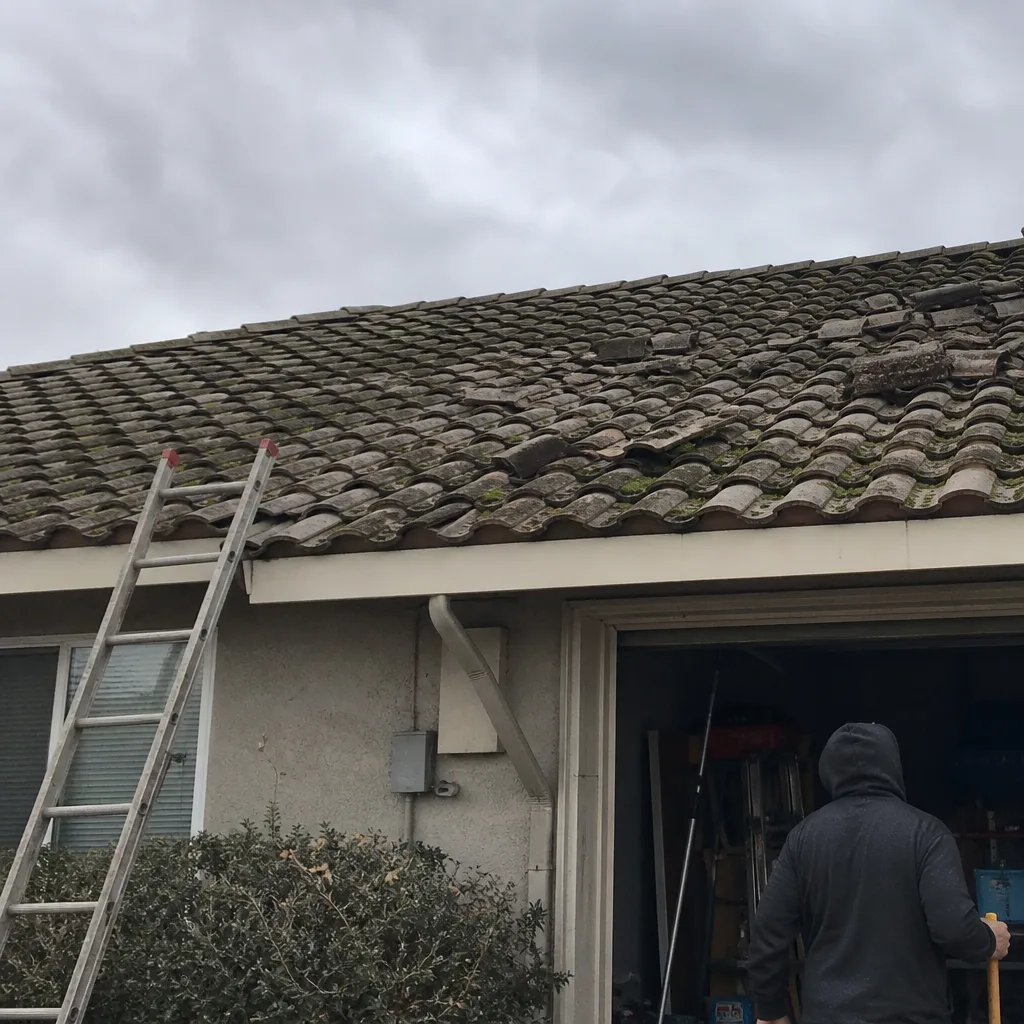 Before
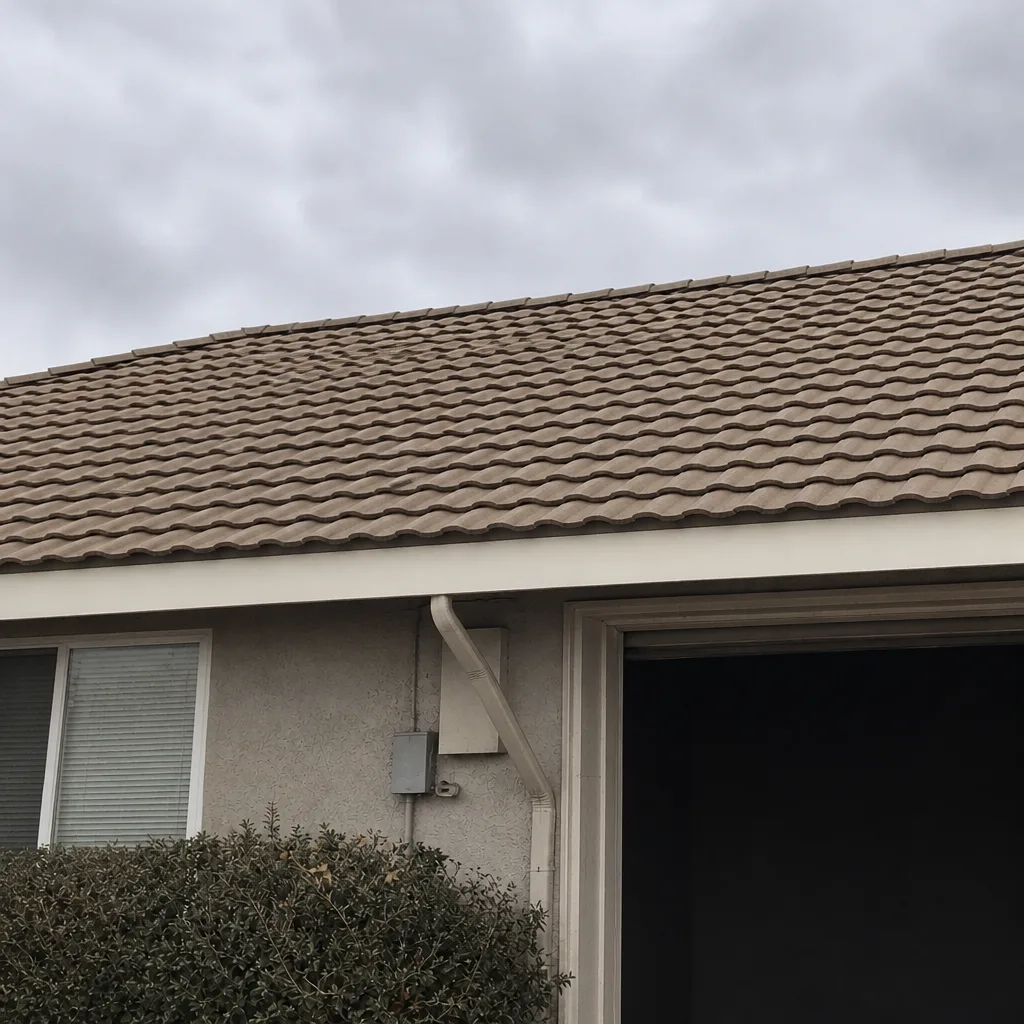 After
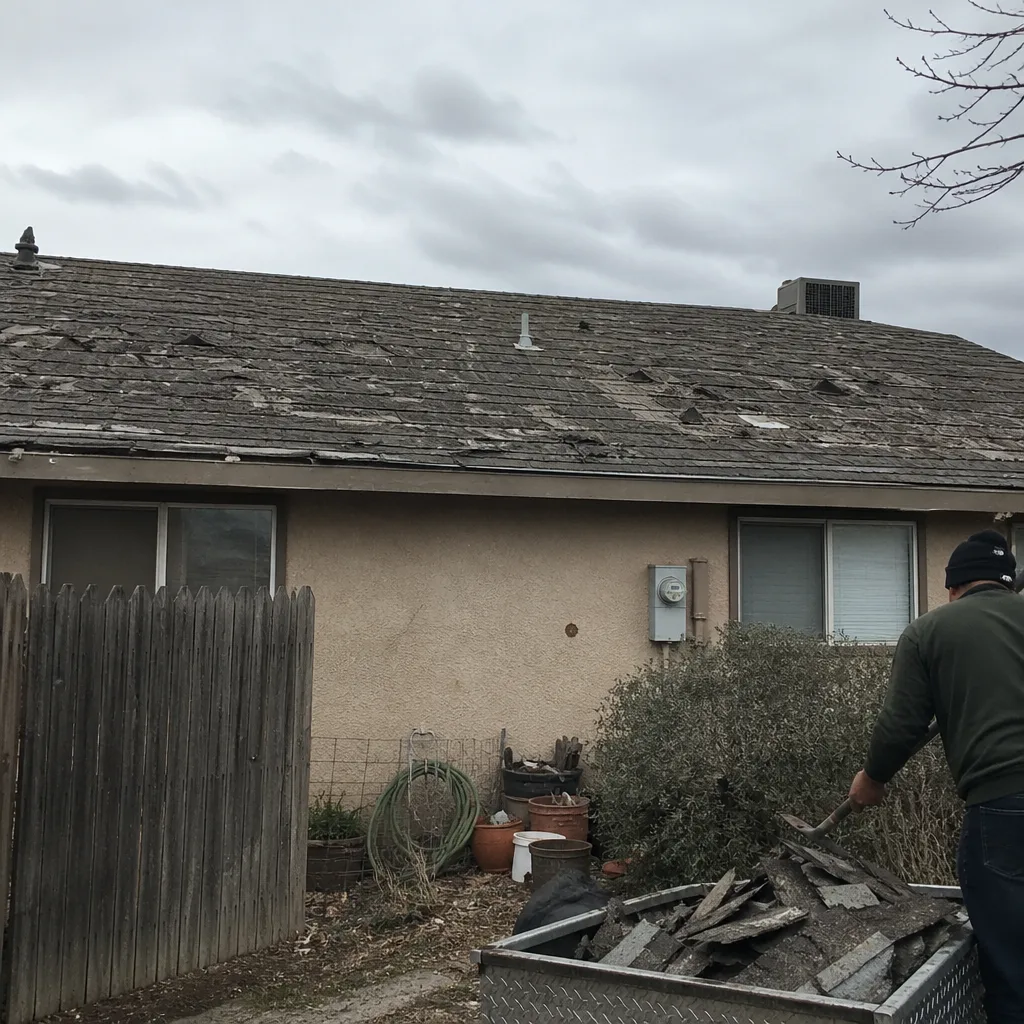 Before
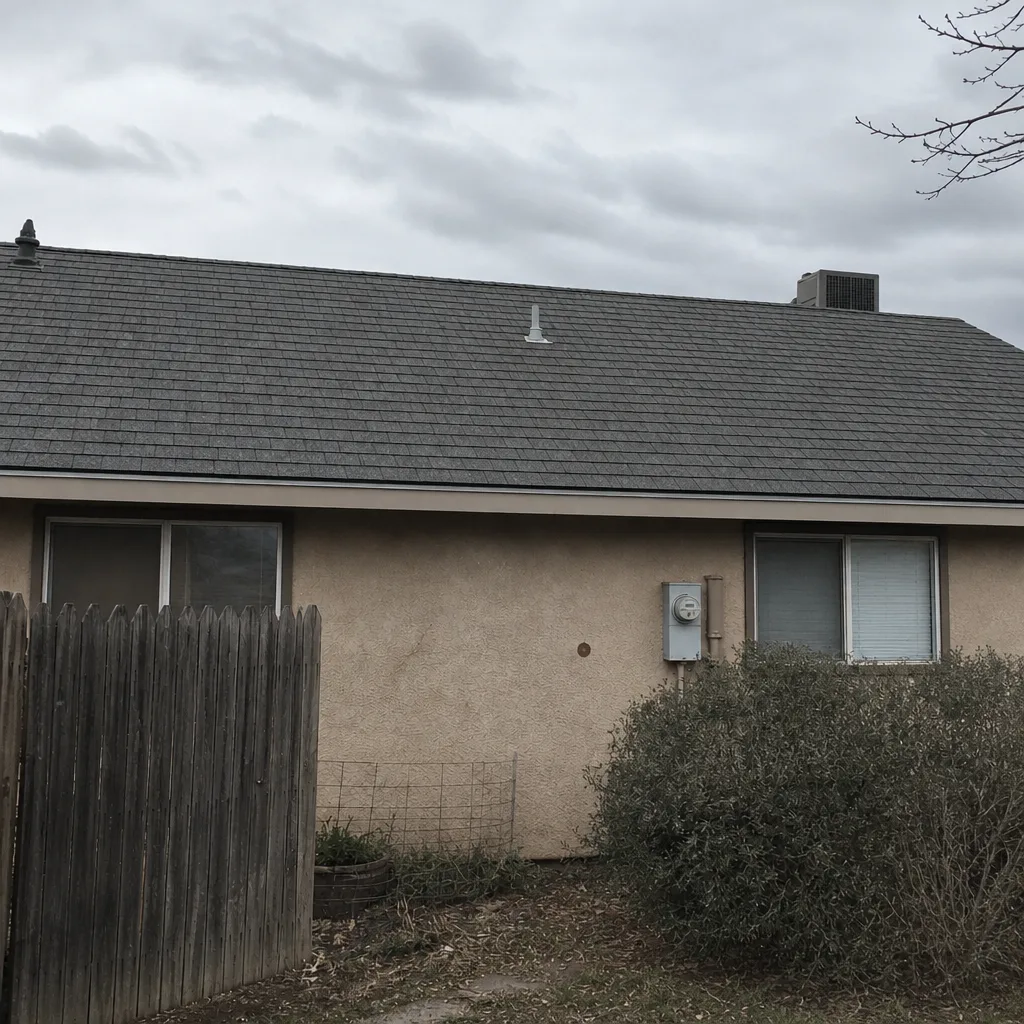 After
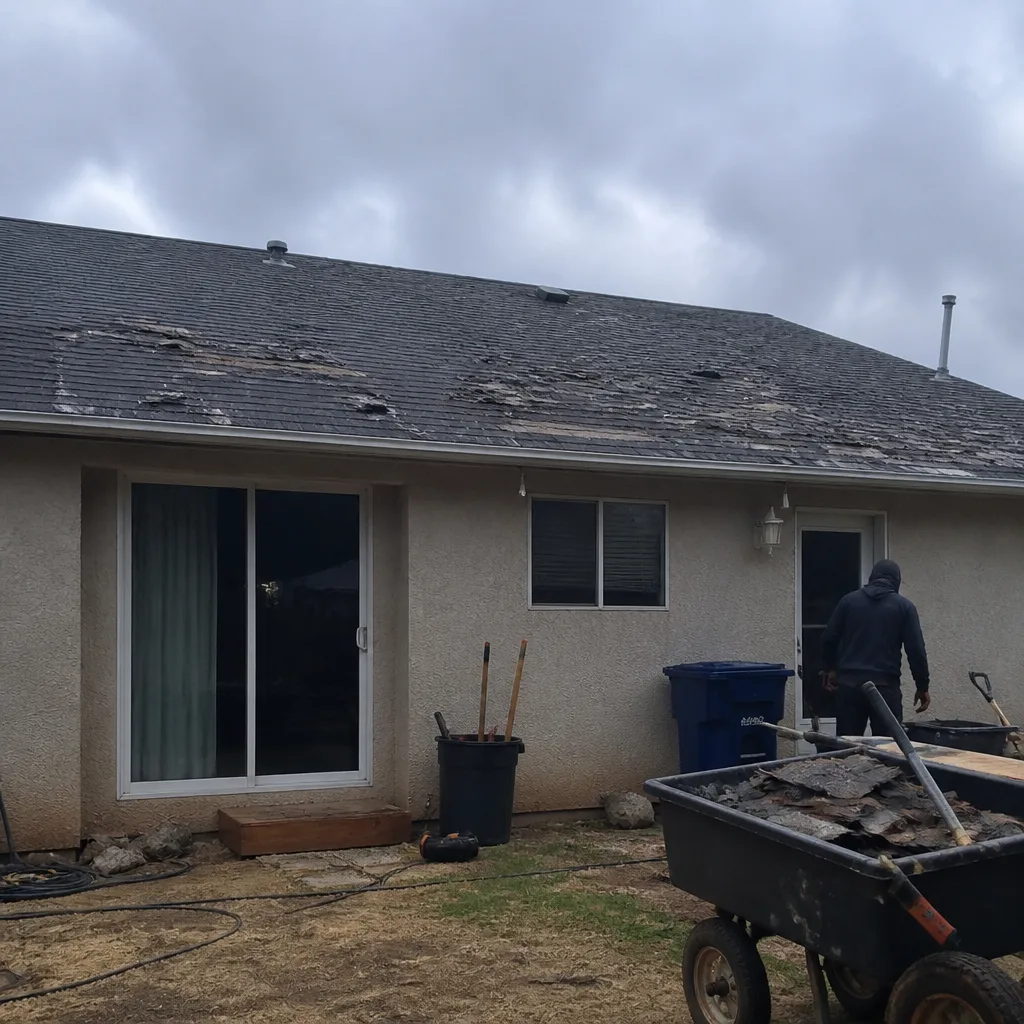 Before
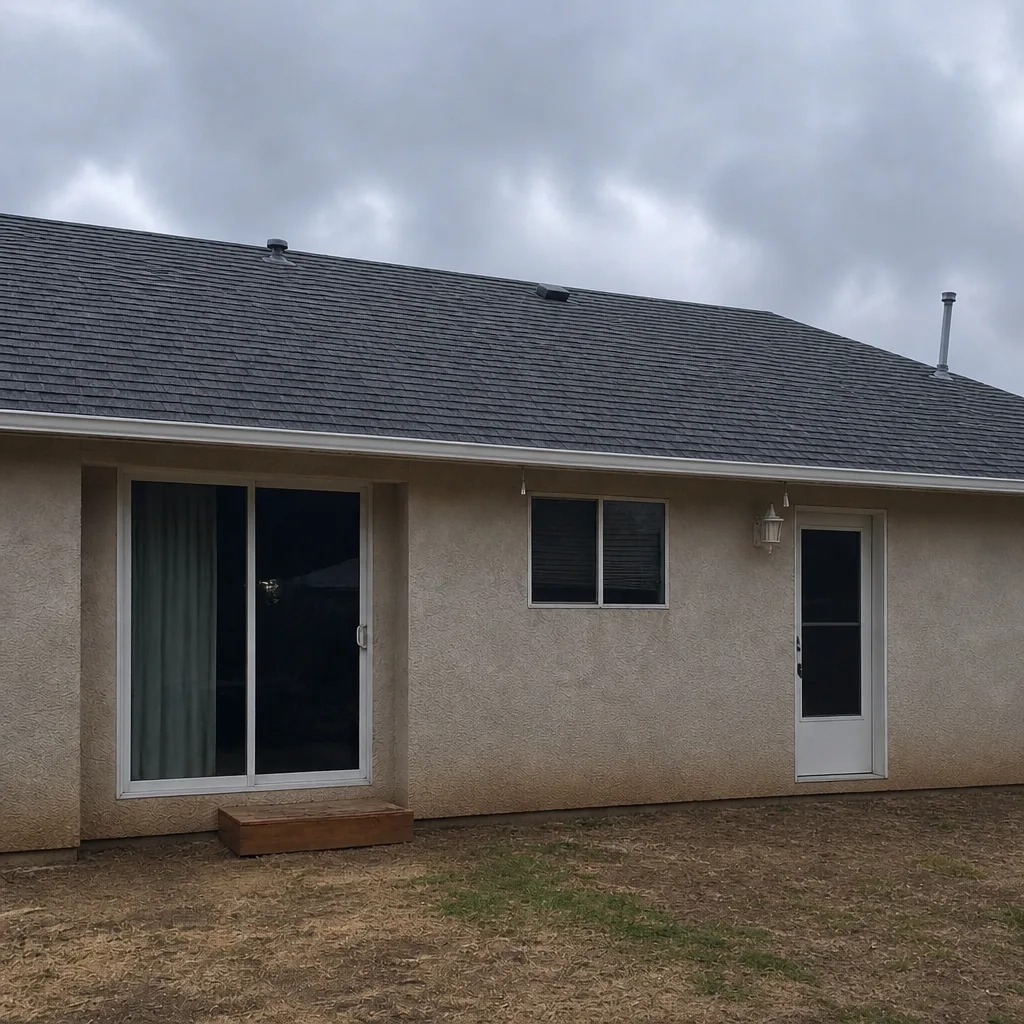 After