
Last updated November 18, 2026
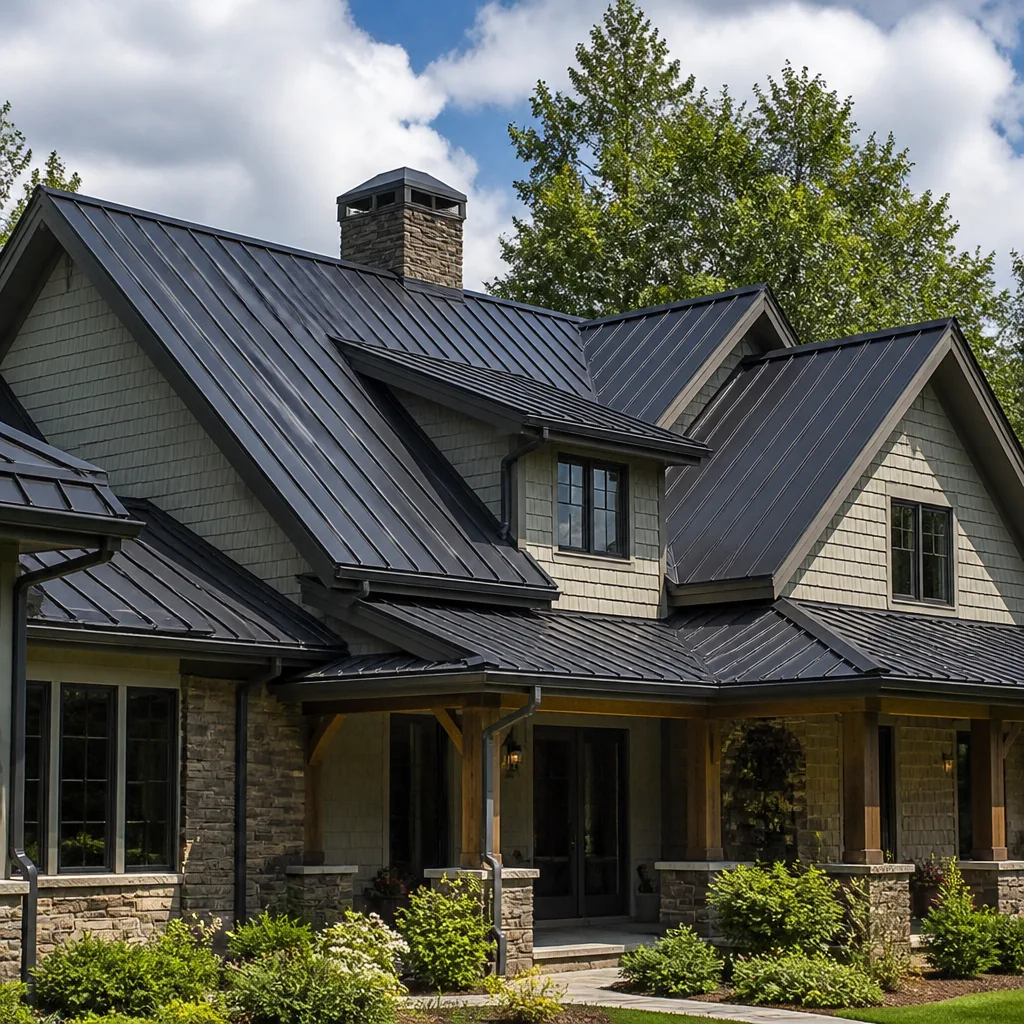 Metal roofing
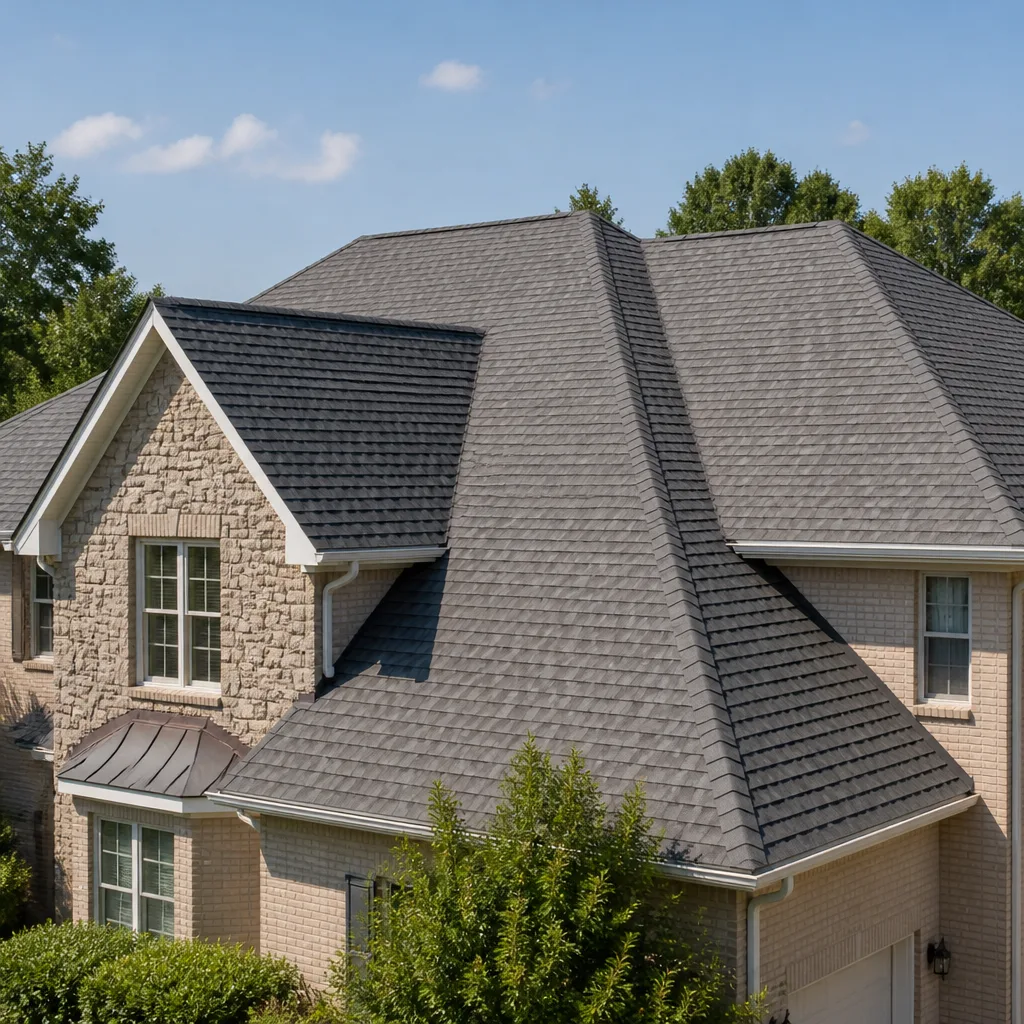 Architectural shingles
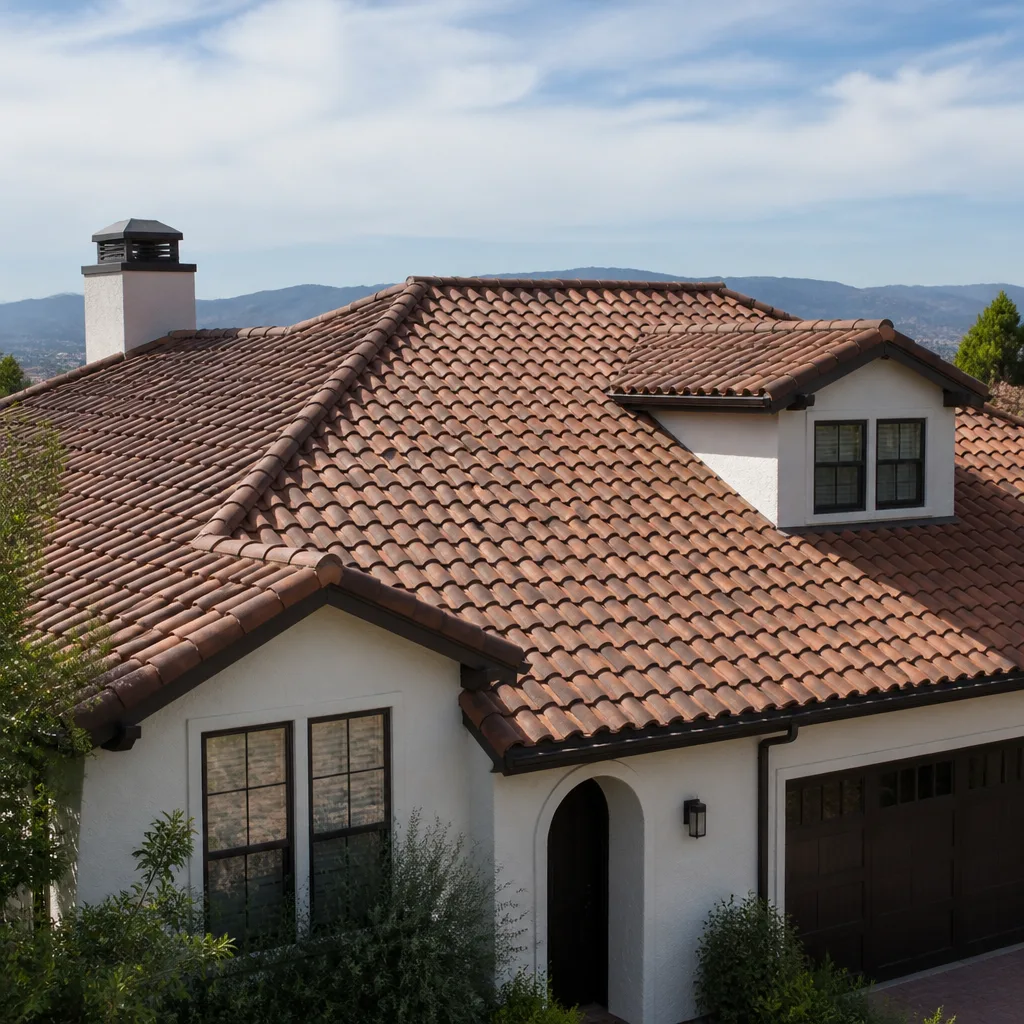 Tile roofing
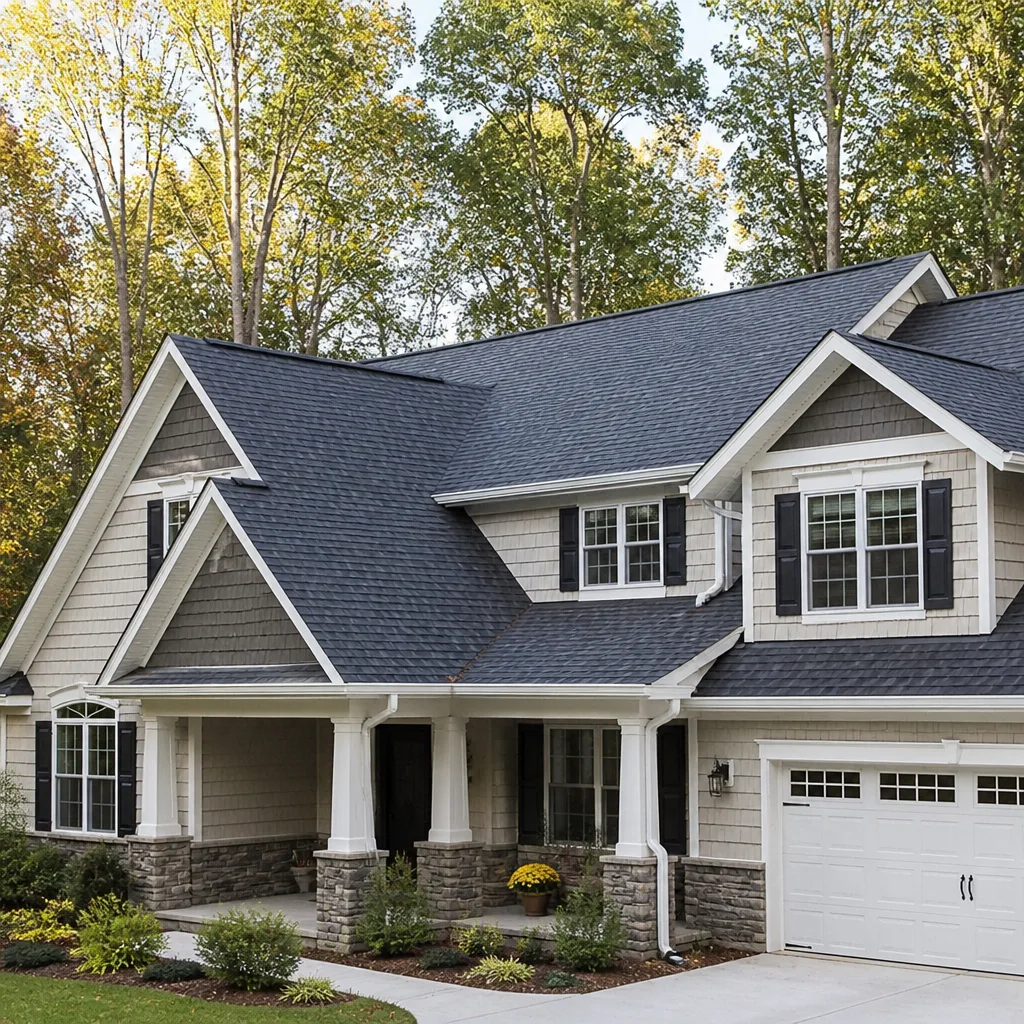 GAF
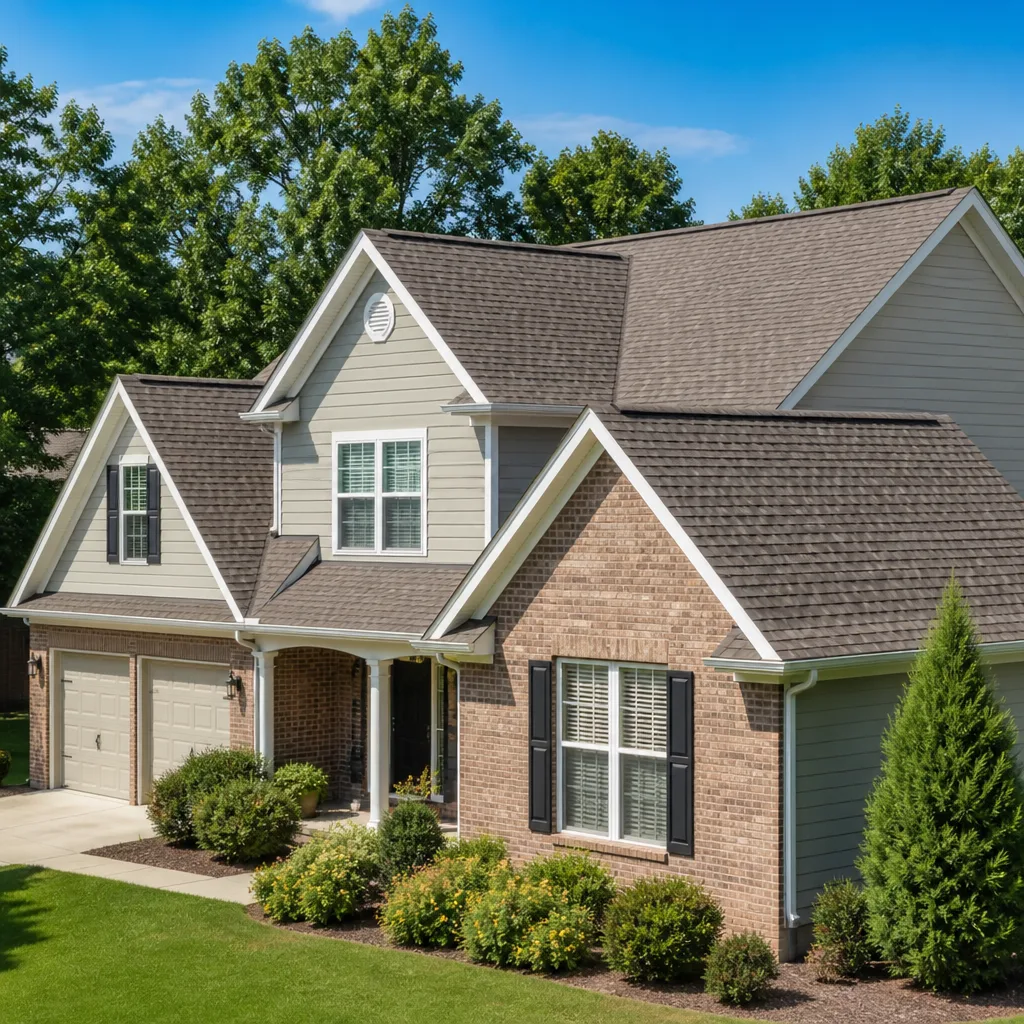 Owens Corning
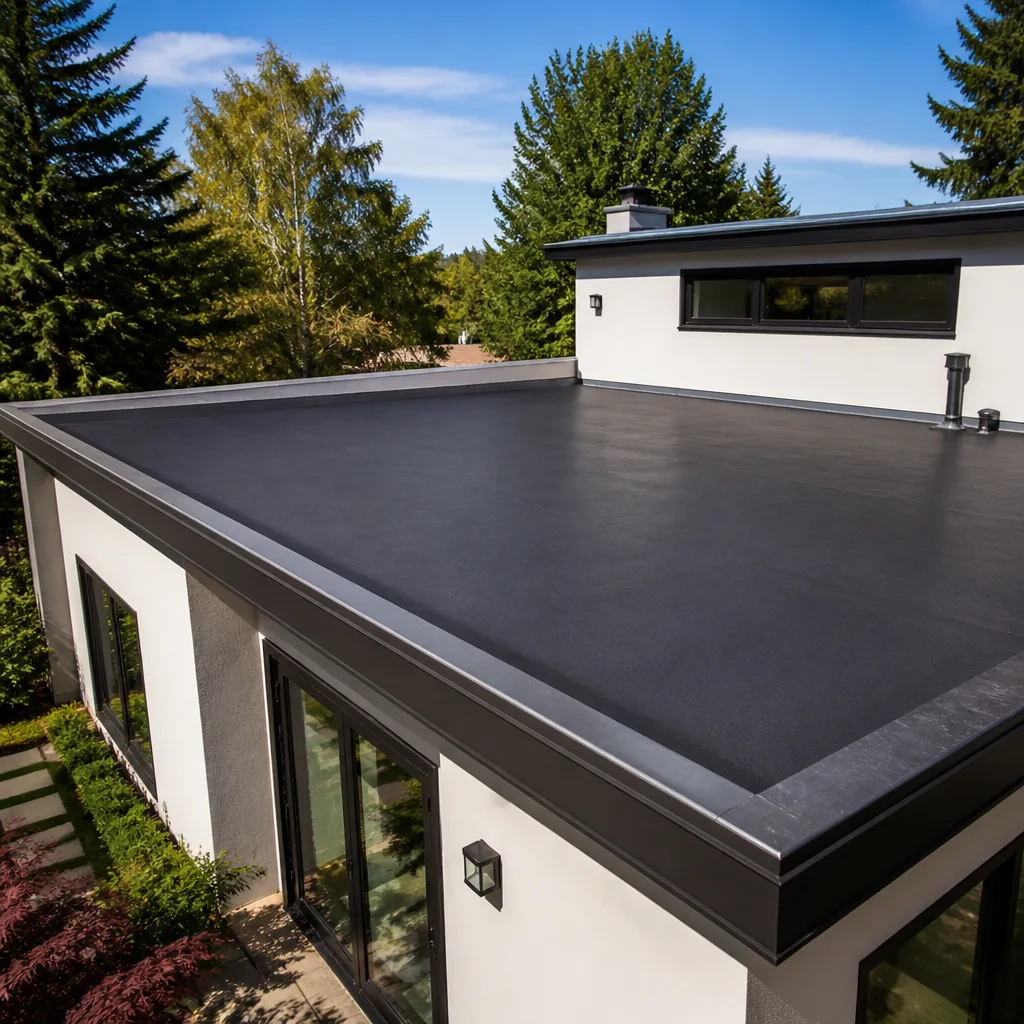 Flat & low-slope
Free roof inspection with deck photos before we talk money - GAF and Owens Corning certified installation
Choosing the Right Roofing Brand: A Buyer’s Guide for Mesquite
Every major roofing brand has products that perform well and products that underperform in desert climates, but their marketing doesn’t tell you which is which. The spec sheet does, and most homeowners never see it. That’s the whole problem with brand shopping in Mesquite: the brochures sell a name, while the numbers that actually decide how a roof holds up under desert sun are buried in technical documents nobody hands you at the kitchen table. This guide changes that. You’ll learn which three specifications matter most here, how to read them on any manufacturer’s literature, how warranty language interacts with desert conditions, and how to have a brand conversation with a contractor that keeps you in control of the decision.
Quick Answer
The right roofing brand in Mesquite is the one whose specific product line meets three desert specs: a high Solar Reflectance Index, proven thermal shock resistance, and a wind uplift classification suited to your roof’s exposure. No single brand wins across every roof, pitch, budget, and HOA rule. The practical answer is to pick the product first and the brand second, which is why working with a roofer who carries several manufacturers beats one locked into a single distributor line. We’ll tell you if a repair is all you need, and we mean it.
Styles & brands we work with
- Architectural shingles
- Metal roofing
- Tile roofing
- GAF
- Owens Corning
- Flat & low-slope
Table of Contents
- The Three Specs That Actually Matter in Mesquite
- Flagship vs. Builder-Grade: The Same Logo, Different Roof
- Reading Warranty Terms the Desert Way
- Why Access to Seven Brands Changes the Answer
- How to Have an Informed Brand Conversation
- Inspection First: Brand Choice Comes After Diagnosis
- HOA Rules, Pitch, and Color: The Mesquite Constraints
- Common Mistakes to Avoid
The Three Specs That Actually Matter in Mesquite
Mesquite sits in the Mojave at roughly 1,600 feet, where summer highs push well past 100°F and roof surfaces run hotter still. Nights cool off fast, and that daily swing is what kills roofs here more than any single storm. A shingle doesn’t fail because one hot afternoon breaks it; it fails because it expands and contracts thousands of times over years until the mat cracks or the sealant lets go. So when you compare brands, you’re really comparing how each product handles heat, reflection, and wind.
Here are the three specifications worth hunting down on any manufacturer’s spec sheet:
- Solar Reflectance Index (SRI). A calculated score for how well a surface reflects solar heat and releases what it absorbs. Higher means the roof stays cooler, which lowers attic heat gain and eases the load on your air conditioner. Ratings are published for both new and weathered condition, and the weathered number is the one that matters over a roof’s life.
- Thermal shock resistance. Not every brand publishes this as a single number, but you can read it from the product’s mat construction, thickness, and any cycling test data. Products engineered for high-temperature cycling hold up better to the daily expansion-contraction loop than light builder-grade shingles.
- Wind uplift classification. Manufacturers rate shingle systems by the wind speeds they’re tested to withstand, and the rating usually assumes a specific installation method, underlayment, and nailing pattern. A strong rating printed on the wrapper means nothing if the install skips the details the rating depends on.
Ask for the actual product data sheet, not the color brochure. Brands like GAF and Owens Corning publish tiered product lines where the entry product and the premium product carry very different numbers under the same logo. Atlas and Tamko do the same. If a contractor can’t produce the spec sheet for the exact product in your quote, that’s your first warning sign.
Flagship vs. Builder-Grade: The Same Logo, Different Roof
This is the single most misunderstood thing about roofing brands, and it costs homeowners real money. A recognizable brand name on a quote tells you almost nothing until you know which product line it refers to. Most national manufacturers run at least two or three tiers: a flagship architectural or designer line, a mid-tier workhorse, and a builder-grade entry shingle used on production homes where the goal is meeting a minimum, not maximizing lifespan.
Why does the distinction matter so much in Mesquite? Because the desert is unforgiving to thin, lightly constructed shingles. A builder-grade product that performs acceptably in a mild climate can show granule loss, seal failures, and mat cracking years earlier under intense UV and daily thermal cycling. The brand didn’t fail you. The tier did.
- Ask the contractor to name the exact product line, not just the brand. “A GAF roof” is not an answer; “Timberline HDZ” or a comparable named product is.
- Request the spec sheet for that product and compare its SRI, wind rating, and warranty tier against a step-up line from the same brand.
- Get the price difference between tiers in writing. The gap between builder-grade and a mid-tier architectural shingle is often smaller than homeowners assume, and the lifespan difference can be substantial.
- Match the tier to your situation. If you plan to sell within a few years, a mid-tier architectural shingle may be the sensible call. If this is your long-term home, the flagship line earns its keep.
We work with products across multiple tiers precisely so this conversation can happen honestly. Choose from seven trusted roofing brands to match your budget and your roof, and you’ll never be told the only option is the most expensive line on the distributor’s shelf.
Reading Warranty Terms the Desert Way
Warranty documents are written to cover the manufacturer, not to promise you a free roof. That doesn’t make them worthless. It makes them something you should read with desert conditions in mind, because the exclusions that void coverage are often the same conditions a hot climate creates.
Most residential shingle warranties split into two parts: a period of full or prorated material coverage, and a separate labor or workmanship component that usually comes from the installer rather than the manufacturer. The material side tends to be longer; the labor side is where homeowners actually feel protected, and it depends heavily on who installed the roof and how.
Watch for these clauses that matter more in Mesquite than in milder climates:
- Ventilation requirements. Warranties frequently condition coverage on adequate attic ventilation. Poor ventilation in a desert attic compounds heat damage, and a manufacturer can point to it when denying a claim.
- Installation specifications. Nailing pattern, underlayment, and starter course requirements are often written into the warranty as conditions, not suggestions. A shortcut at installation can void coverage years later.
- Algae resistance language. Some products carry algae-resistance coverage that’s less relevant in dry Mesquite than in humid regions. Don’t pay a premium for protection your climate doesn’t need.
- Transferability. If you might sell, a transferable warranty adds resale value. Check whether transfer requires registration and within what window.
Manufacturer-backed warranty programs are one reason brand partnerships matter. Certain manufacturers offer enhanced coverage when the roof is installed by a contractor in their program, which is documented protection beyond the installation day. Ask specifically whether the proposed system qualifies and what the enhanced terms include. Then get it in writing before you sign.
Why Access to Seven Brands Changes the Answer
A roofer who carries one brand will explain why that brand is right for every roof. A roofer who carries seven has to actually think about your roof. That’s not a knock on any manufacturer; it’s a statement about incentives. When your only tool is one product line, every problem looks like it needs that product.
In practice, the right brand shifts with the job. Consider how differently these scenarios play out:
- Steep pitch, visible from the street, HOA color rules. Here the priority is profile and color range in a premium architectural line. A brand with a deep designer palette wins over one with three standard colors, even if the other brand’s entry product is cheaper.
- Low-slope section over a patio or addition. Standard shingles aren’t the answer on low slopes. Boral and similar manufacturers offer products suited to profiles where a shingle system won’t perform, and the brand choice follows the geometry, not the other way around.
- Tight budget, long-term home, no HOA constraints. A mid-tier architectural shingle from a major brand like GAF or Tamko can deliver strong value without paying for designer-tier cosmetics.
- Repair on an existing roof installed by someone else. Matching an existing shingle means identifying the product, not just the brand. Familiarity with multiple shingle systems lets a technician diagnose and match on roofs installed by any contractor.
This is the practical case for a multi-brand roofer in Mesquite. Your roof’s pitch, your budget, and your HOA’s color list are three constraints that narrow the field fast. Having seven manufacturers to draw from means the field narrows to a product that actually fits, instead of to whatever one distributor happens to stock. Inspection, repair, or full replacement, one company, one call, and the product matches the roof instead of the roof matching the product.
How to Have an Informed Brand Conversation
The brand conversation is where you find out whether you’re talking to a knowledgeable roofer or a salesperson steering you toward a distributor margin. The difference shows up in the questions they can answer without flinching. Come prepared with these, and listen to how the answers land.
- What exact product line are you quoting, and can I see the spec sheet? A confident answer names the product and produces documentation. A vague answer defaults to the brand name.
- What’s the SRI of this product, new and weathered? If they don’t know offhand, they should offer to pull it. What they shouldn’t do is wave the question away.
- How does this product handle thermal cycling compared with the step-up line from the same brand? This separates people who read spec sheets from people who read brochures.
- Which manufacturer warranty programs does this installation qualify for, and what does the enhanced coverage require? The answer tells you whether the warranty is a real deliverable or a line in the contract.
- What would you install on your own roof in Mesquite, and why? There’s no single right answer, but a thoughtful one is a good sign. A reflexive pitch for the priciest product is not.
- If my roof only needs a repair, will you tell me? This is the honesty test. Roofer Mesquite offers a standalone inspection precisely because a roof doesn’t always need replacing, and homeowners deserve a straight diagnosis before any brand discussion starts.
You don’t need to be a roofing expert to have this conversation. You need to ask the questions and notice which ones the contractor enjoys answering. Our technicians have up to 8 years of experience across multiple shingle systems, and the ones worth your time will light up at a spec-sheet question rather than dodge it.
Inspection First: Brand Choice Comes After Diagnosis
Here’s a sequencing point that saves homeowners money: the brand decision comes after the inspection, not before. You can’t intelligently choose a product until you know whether you’re repairing, replacing, or doing nothing yet, and the condition of the existing roof shapes everything from the decking work to the ventilation needs.
A real inspection looks at more than the shingles. It checks granule loss and mat condition, flashing at penetrations and walls, the state of the underlayment where visible, attic ventilation, and any signs of moisture intrusion. It also assesses how the existing roof was installed, because on a repair that determines what’s even possible to match.
This is why we treat the Roof Inspection as a service in its own right rather than a sales funnel. If the honest answer is that a targeted repair will get you several more years, that’s the answer you get. If the honest answer is that the roof is nearing the end of its service life, you’ll hear that too, with the reasons in plain language and a written estimate for the replacement. No purchase required to get a straight assessment of your roof’s condition, and no brand conversation until there’s a diagnosis to base it on.
For homeowners who just want the basics on keeping a roof healthy between replacements, the same principle applies: understand the condition first. Our roof repair work starts from that same inspection, and if a full replacement is the right call, the brand and product choice follows from there.
HOA Rules, Pitch, and Color: The Mesquite Constraints
Brand choice doesn’t happen in a vacuum. In Mesquite, three practical constraints narrow the field before performance even enters the conversation: HOA rules, roof pitch, and the color and profile limits that come with them. Getting these straight early prevents the frustration of falling in love with a product your community won’t approve.
Many Mesquite neighborhoods fall under HOA architectural standards that specify acceptable roof colors and sometimes materials. Desert communities often favor earth tones, tile-look profiles, and colors that hold up to intense sun without fading, and some HOAs require advance approval for any roof change, including a like-for-like replacement in a different color.
Pitch matters because it determines which product families are even eligible. Standard asphalt shingles work well on typical residential pitches, but low-slope sections need different systems entirely, and some profiles perform better on steep, highly visible planes than others. If your roof has mixed pitches, you may end up choosing two products from the same brand family to keep the look consistent.
So the constraint checklist looks like this:
- Pull your HOA’s architectural rules and confirm any required approval process before ordering materials.
- Identify every pitch on the roof and flag any low-slope sections that rule out standard shingles.
- Narrow color options to what the HOA allows, then compare performance specs within that palette.
- Confirm profile and color availability across the brands you’re considering, since not every line offers every color in every region.
Because we work across seven brands from entry-level to premium tiers, the HOA conversation doesn’t force a compromise on performance. There’s usually a product in the right color, in the right profile, with the spec numbers that suit a Mesquite roof. That’s the practical payoff of a multi-brand roster: fewer dead ends.
Common Mistakes to Avoid
- Buying the brand name instead of the product line. Two roofs with the same logo on the wrapper can differ dramatically in SRI, wind rating, and lifespan depending on which tier was installed. Always get the named product in writing.
- Ignoring the weathered SRI. The new-product reflectivity number is the one brochures highlight. The weathered number is what your roof actually delivers after a few desert summers, so ask for both.
- Skipping the inspection and jumping straight to a replacement quote. Some Mesquite roofs only need a targeted repair. If a contractor quotes a full replacement before anyone has been on the roof, that’s a red flag.
- Assuming a warranty covers labor. Manufacturer material warranties and installer workmanship coverage are separate things. Confirm both, in writing, before you sign.
- Choosing a product before checking HOA rules. A premium shingle in a color your community won’t approve is money wasted. Read the HOA architectural standards first.
- Letting one brand’s availability drive the whole decision. A roofer locked into a single distributor line has one answer for every roof. Multiple brands mean the product fits the roof, not the warehouse.
- Overlooking ventilation in the spec conversation. In a desert attic, ventilation is a performance issue, not an afterthought, and inadequate ventilation can undermine a warranty claim down the road.
Each of these mistakes traces back to the same root cause: treating brand as a synonym for quality. Brand is a label. The product line, the installation details, and the warranty terms are what you’re actually paying for. For a fuller look at how roofs age in this climate, our Mesquite page covers the local picture.
See the difference
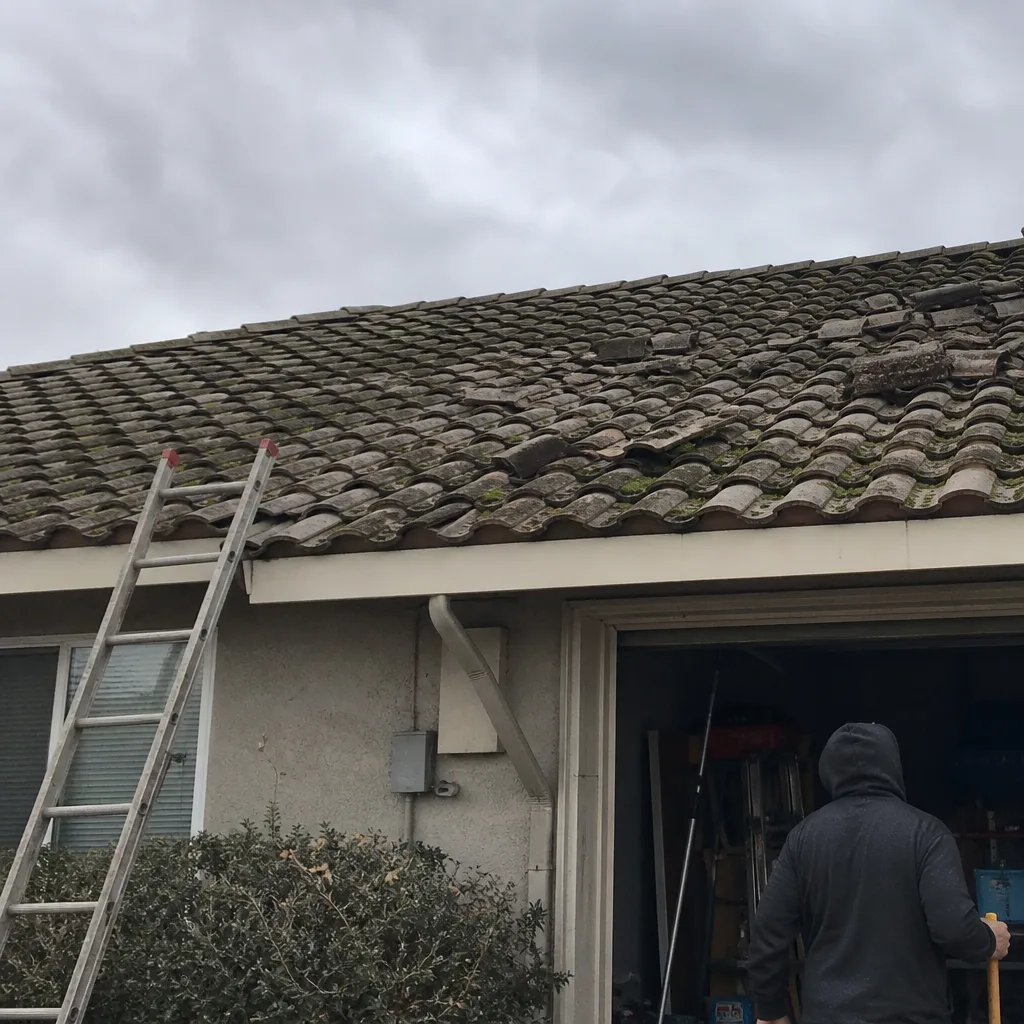 Before
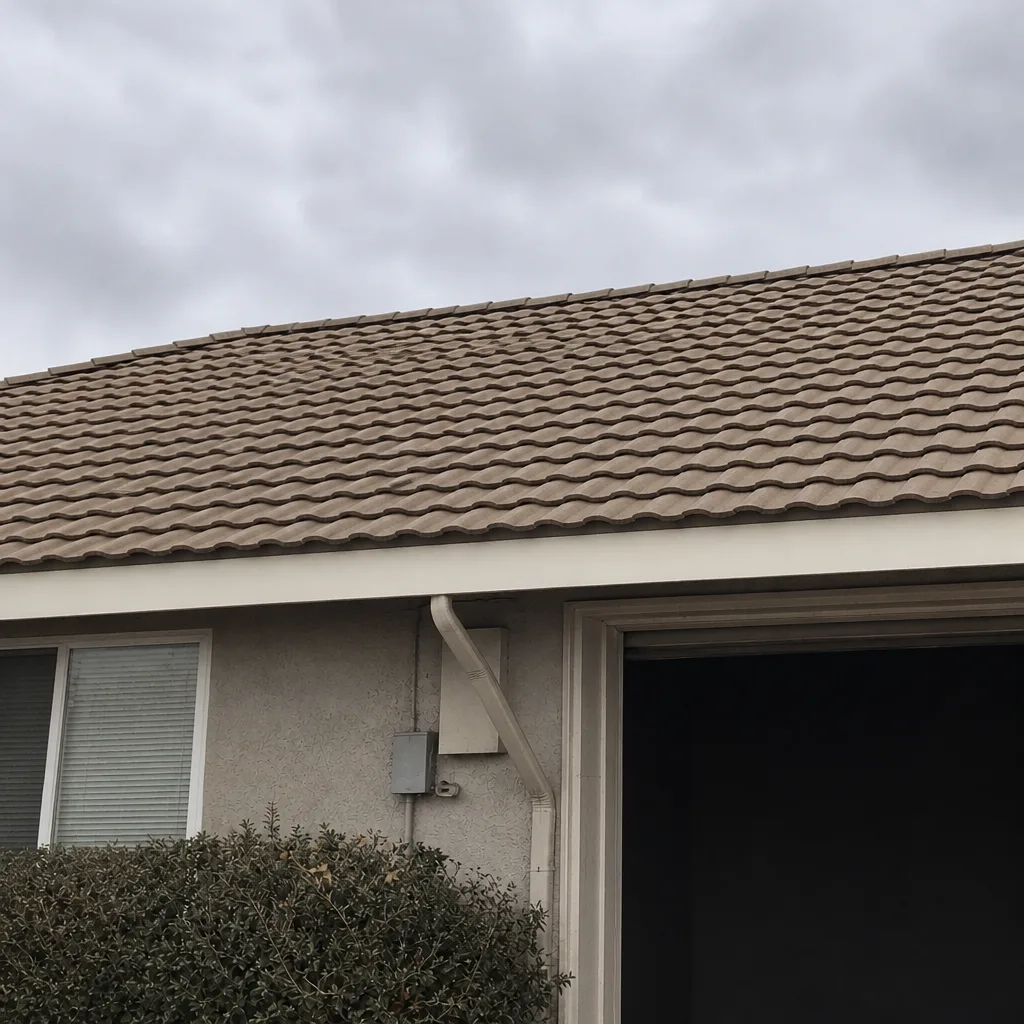 After
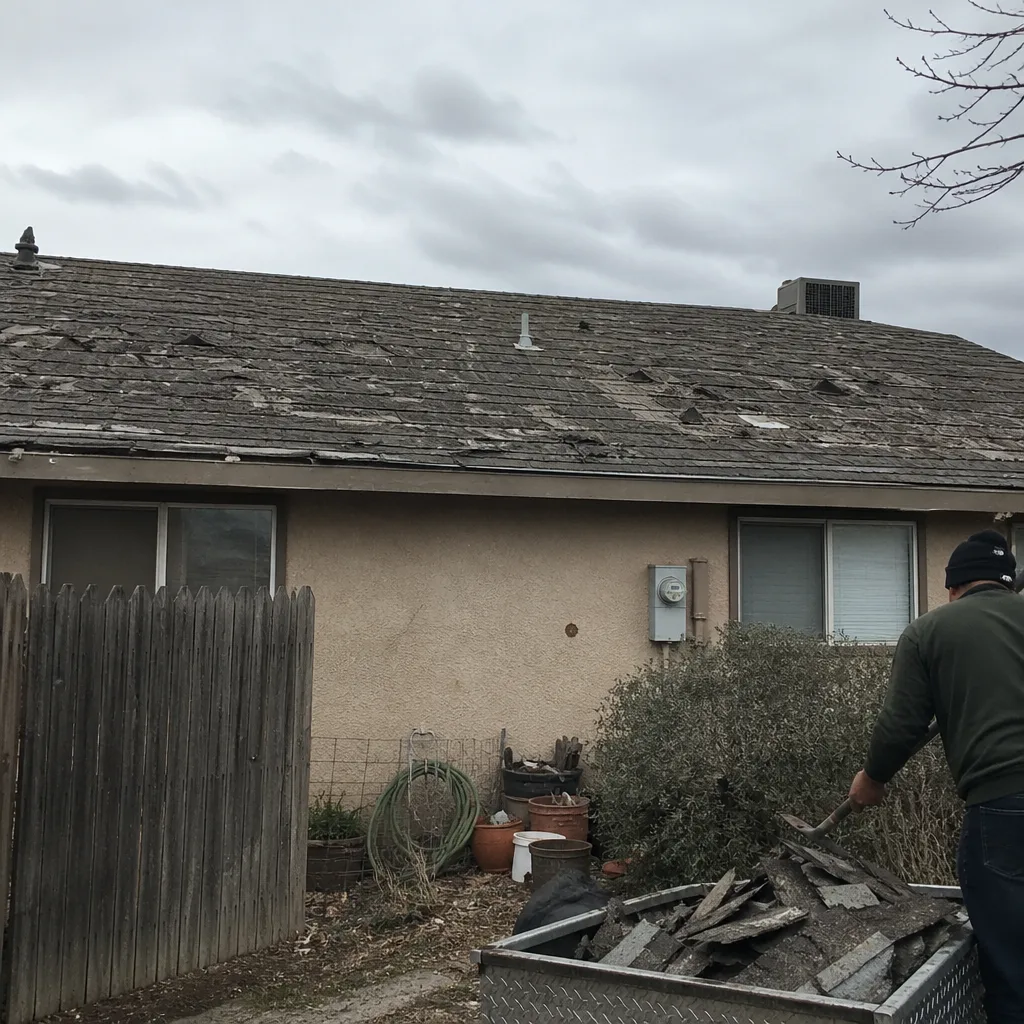 Before
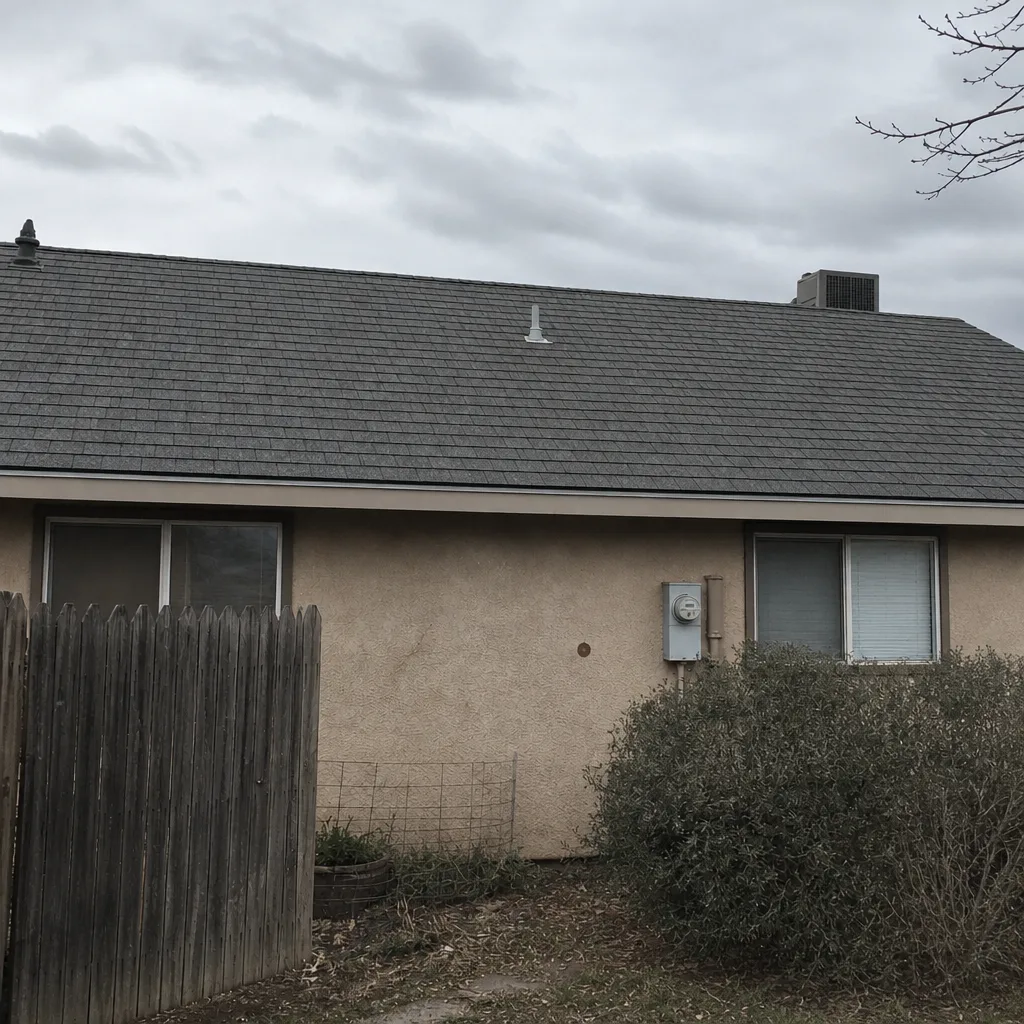 After
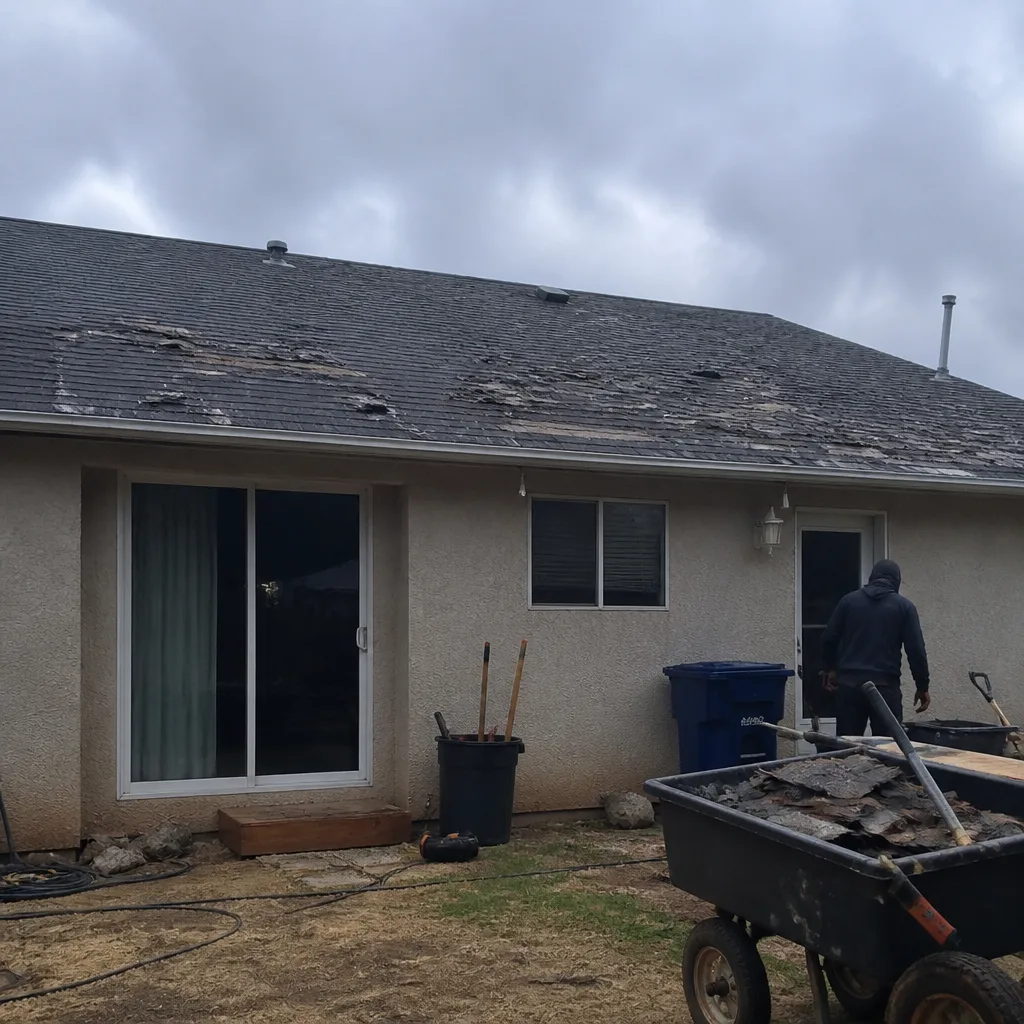 Before
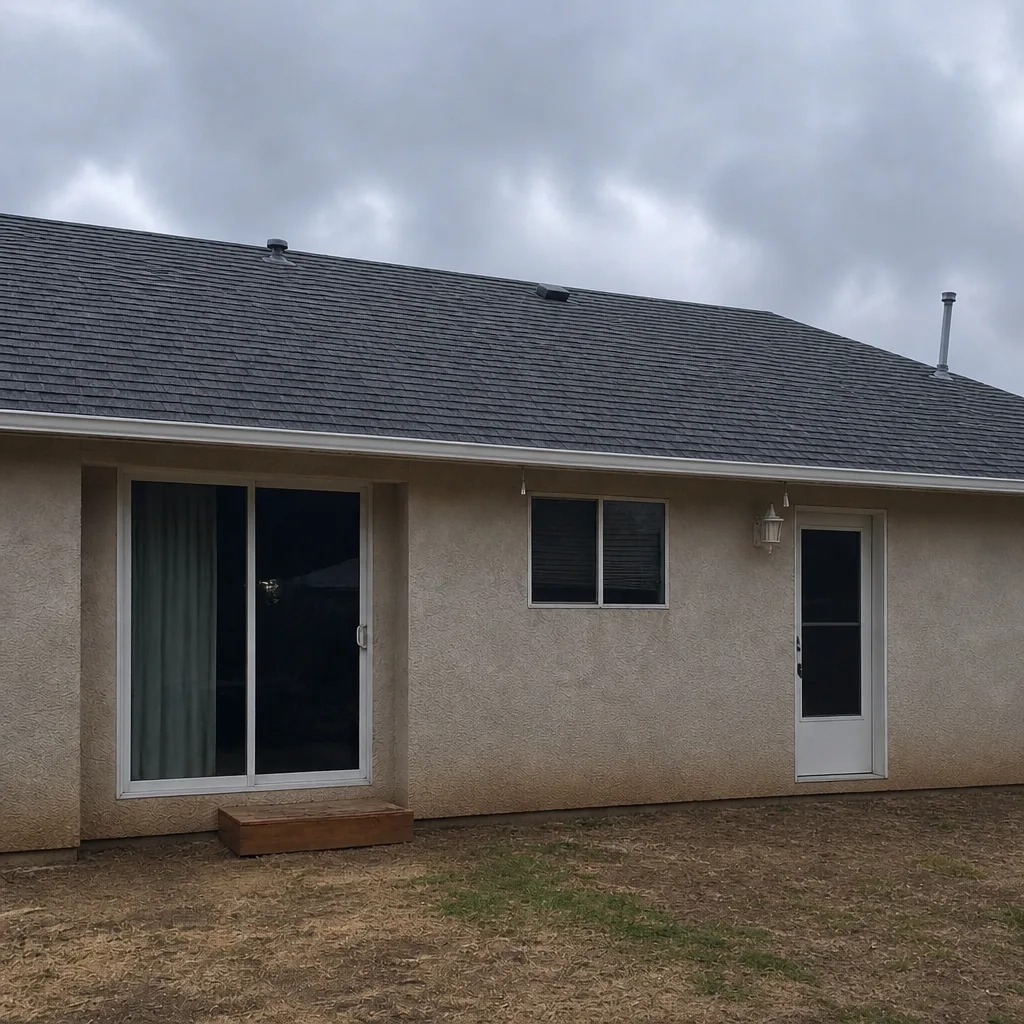 After
When to Call a Professional
Some roof questions are worth a phone call rather than a weekend on a ladder. Call a professional if you’re seeing granules collecting in gutters and downspouts, if shingles are curling, cracking, or lifting at the edges, if you notice staining on ceilings or walls after a storm, or if you’re unsure how old the roof is and whether it’s near the end of its service life. Call too before you commit to a brand or product, because the right choice depends on a diagnosis you can’t make from the ground. And call if a contractor has handed you a single-brand quote with no product spec sheet attached; a second look costs you nothing and can save you from a costly mismatch. Roofer Mesquite offers free estimates in Mesquite, call (855) 916-4744. We answer 24/7. Fast dispatch from 7am to 7pm, Sunday through Friday.
Frequently Asked Questions
There’s no single best brand for every Mesquite roof, because the right product depends on pitch, budget, HOA color rules, and the performance specs of the specific product line. The better approach is to compare SRI, thermal shock resistance, and wind uplift rating on the spec sheets of the products you’re considering, then choose the one that fits your roof and budget. Call (855) 916-4744 for an honest assessment and a written estimate.
Barely. The brand name alone tells you little until you know which product line is being installed, since major manufacturers sell both flagship and builder-grade products under the same logo. Ask for the exact product name and its spec sheet, then compare tiers within that brand. Call (855) 916-4744 and we’ll walk you through the differences in plain language.
Because a roofer with one brand has an incentive to recommend that brand for every roof, while a multi-brand roofer can match the product to your pitch, budget, and HOA rules. That flexibility is the difference between a roof that fits your situation and one that fits a distributor’s inventory. Call (855) 916-4744 to see the options side by side.
Warranties differ in length, transferability, and the conditions that void coverage, and in Mesquite the most common problem clauses involve inadequate attic ventilation and installation details that don’t follow manufacturer specifications. Confirm both the material warranty and the installer’s workmanship coverage in writing. Call (855) 916-4744 for help reading the fine print before you sign.
After. A proper inspection tells you whether you need a repair, a replacement, or nothing yet, and that diagnosis shapes which products are even relevant. Choosing a brand first risks paying for a product that doesn’t match your roof’s condition or your actual need. Roofer Mesquite offers a standalone Roof Inspection with no purchase required, call (855) 916-4744.
Yes, in most cases. Familiarity with multiple shingle systems lets a knowledgeable technician identify the existing product and match it or find a compatible match, even on roofs installed by someone else. The key is identifying the product, not just the brand. Call (855) 916-4744 and we’ll take a look at what’s actually on your roof.
The Bottom Line
Brand loyalty is marketing. Spec sheets are information. In a climate like Mesquite’s, where daily thermal cycling and relentless sun do more damage than any single storm, the numbers on the product data sheet decide whether a roof lasts. Read the SRI in weathered condition, understand thermal cycling performance, check the wind uplift rating, and read the warranty with ventilation and installation details in mind. Get an inspection before you get a quote, know which product line you’re buying, and ask the questions that separate a multi-brand professional from a single-line salesperson. From the first inspection to the final nail, the goal is a roof on your terms: the right material, the right solution, no oversell.
If you’re ready to compare brands with someone who uses several of them and isn’t afraid to say a repair will do, the next step is simple. Call Roofer Mesquite at (855) 916-4744 for a free estimate. We answer 24/7. Fast dispatch from 7am to 7pm, Sunday through Friday. Explore Roofer Mesquite and our roof replacement options when you’re ready to talk. We’ll tell you if a repair is all you need, and we mean it.
Written by the team at Roofer Mesquite.